sábado, 18 de enero de 2014

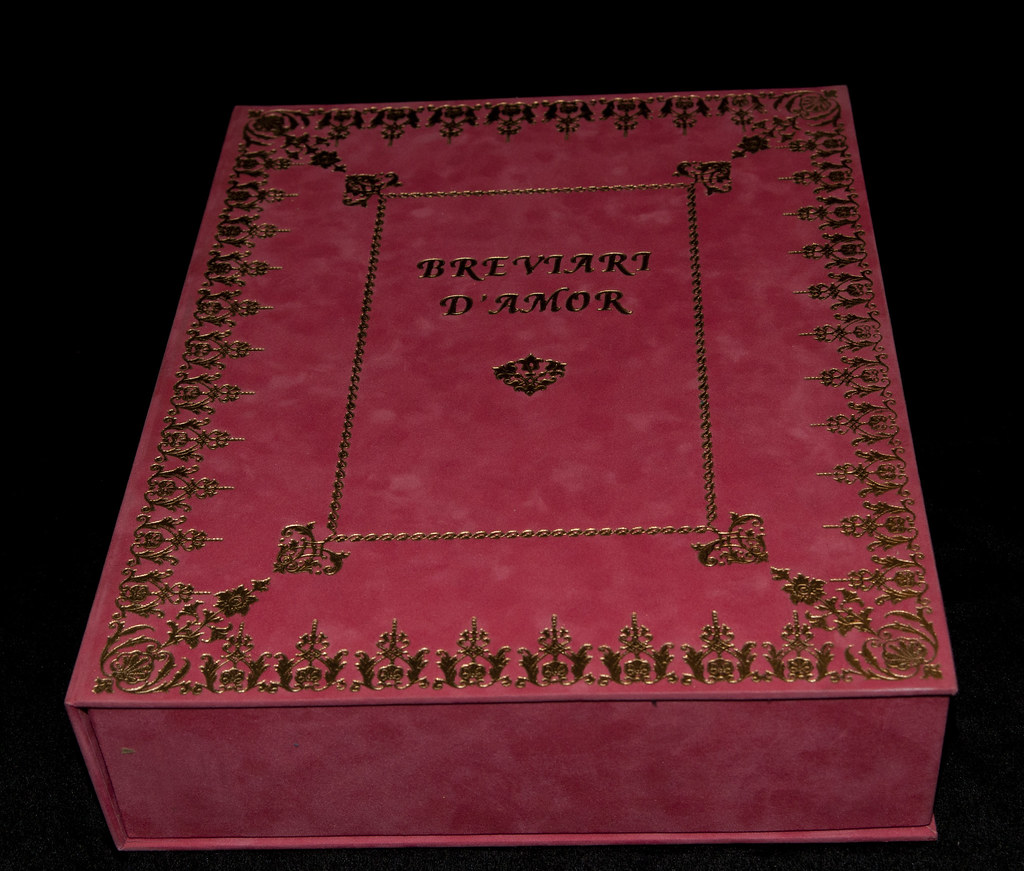
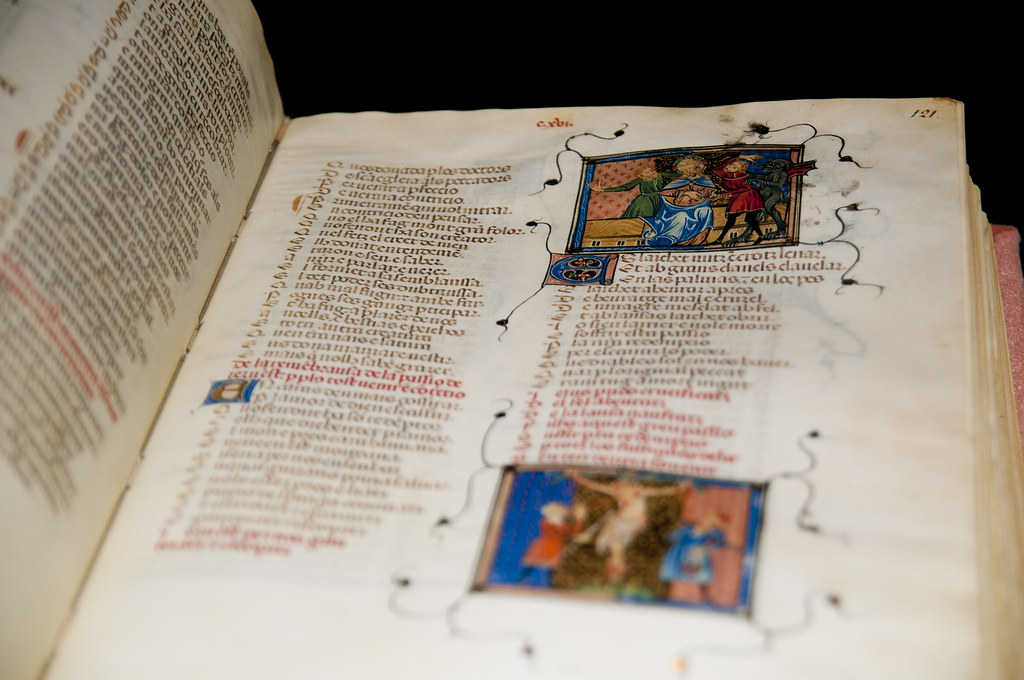
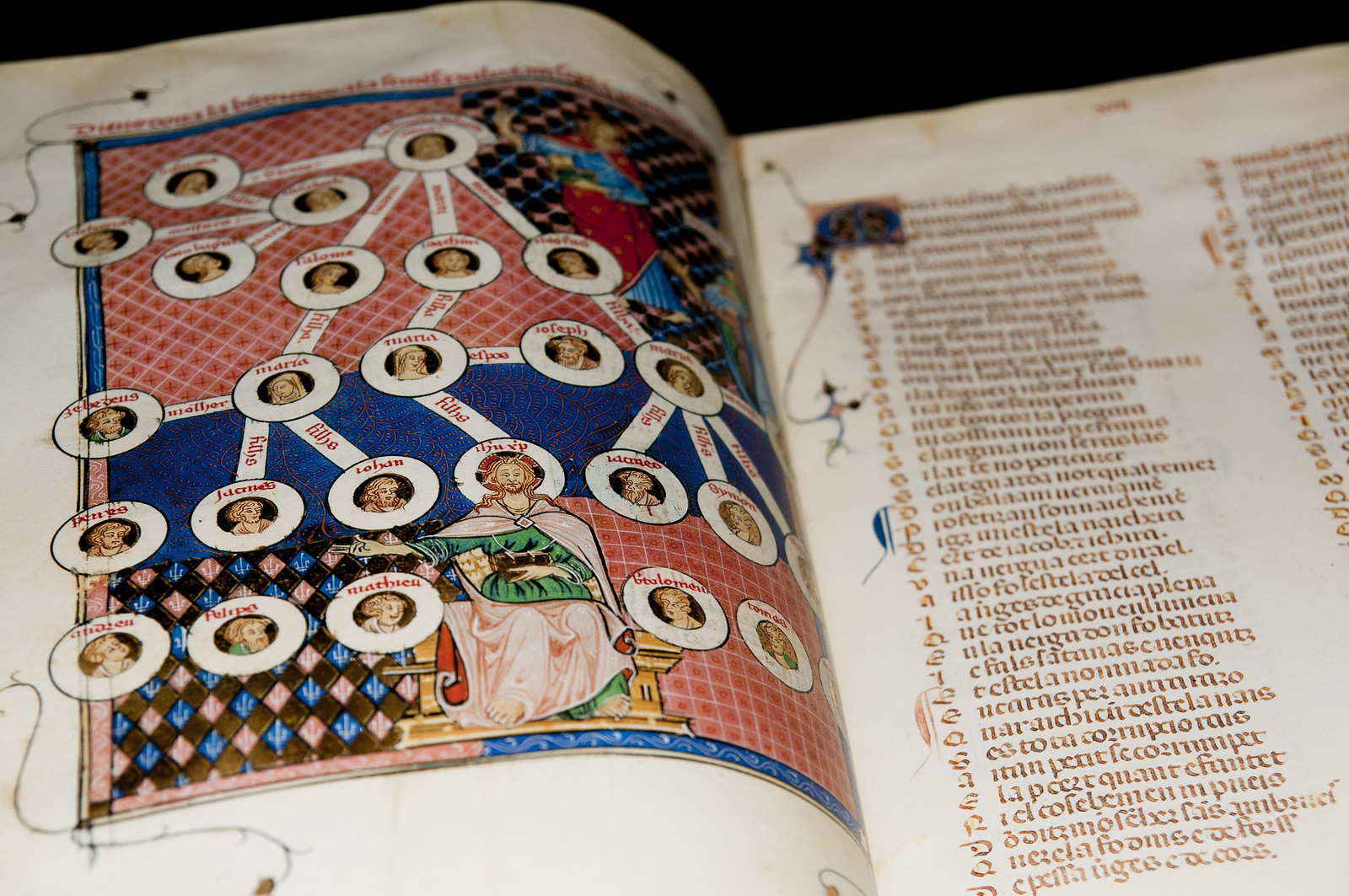
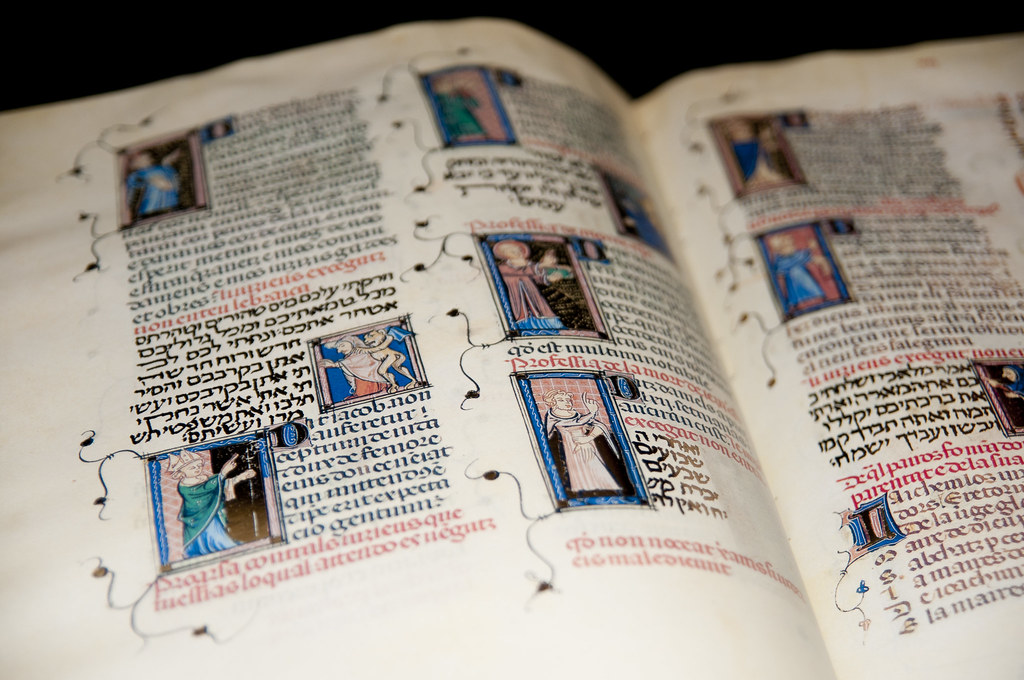
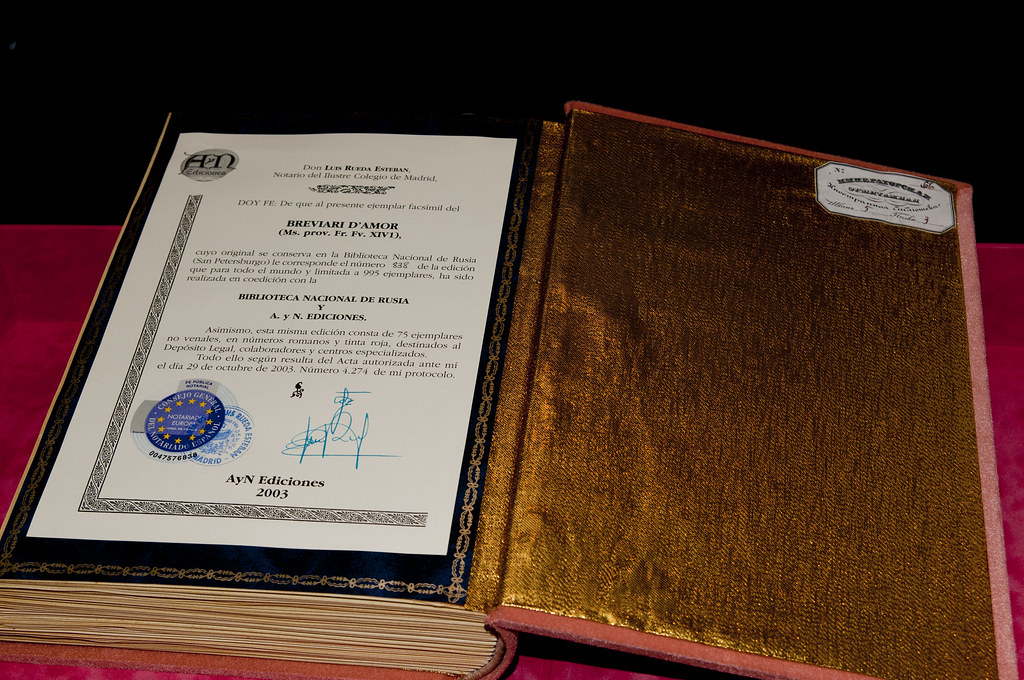
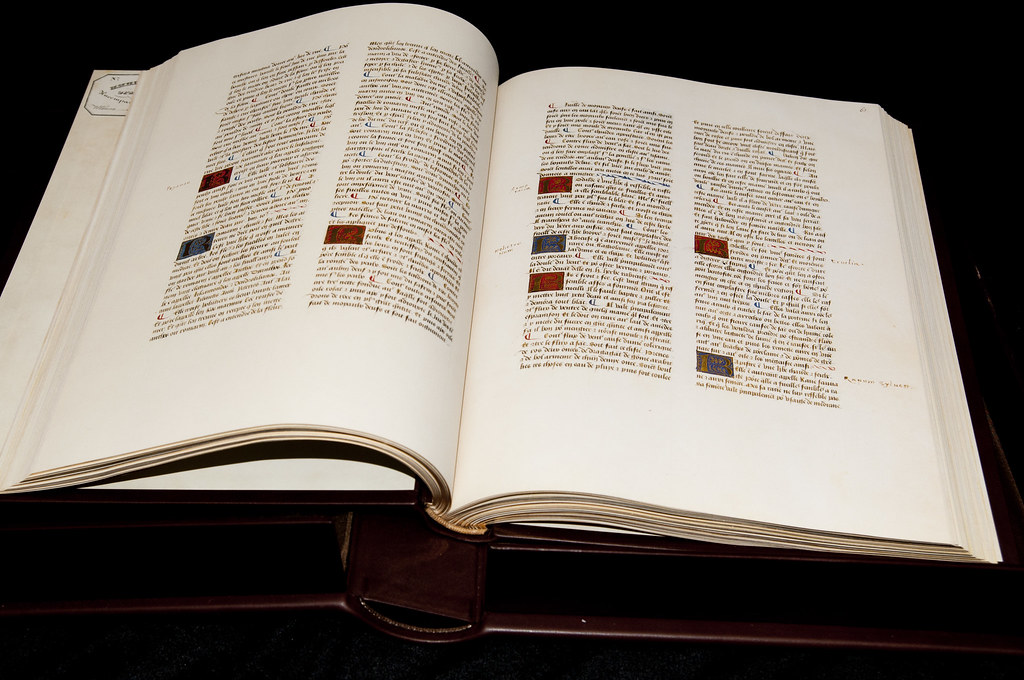
Brevary D´Amor - AyN Edi.


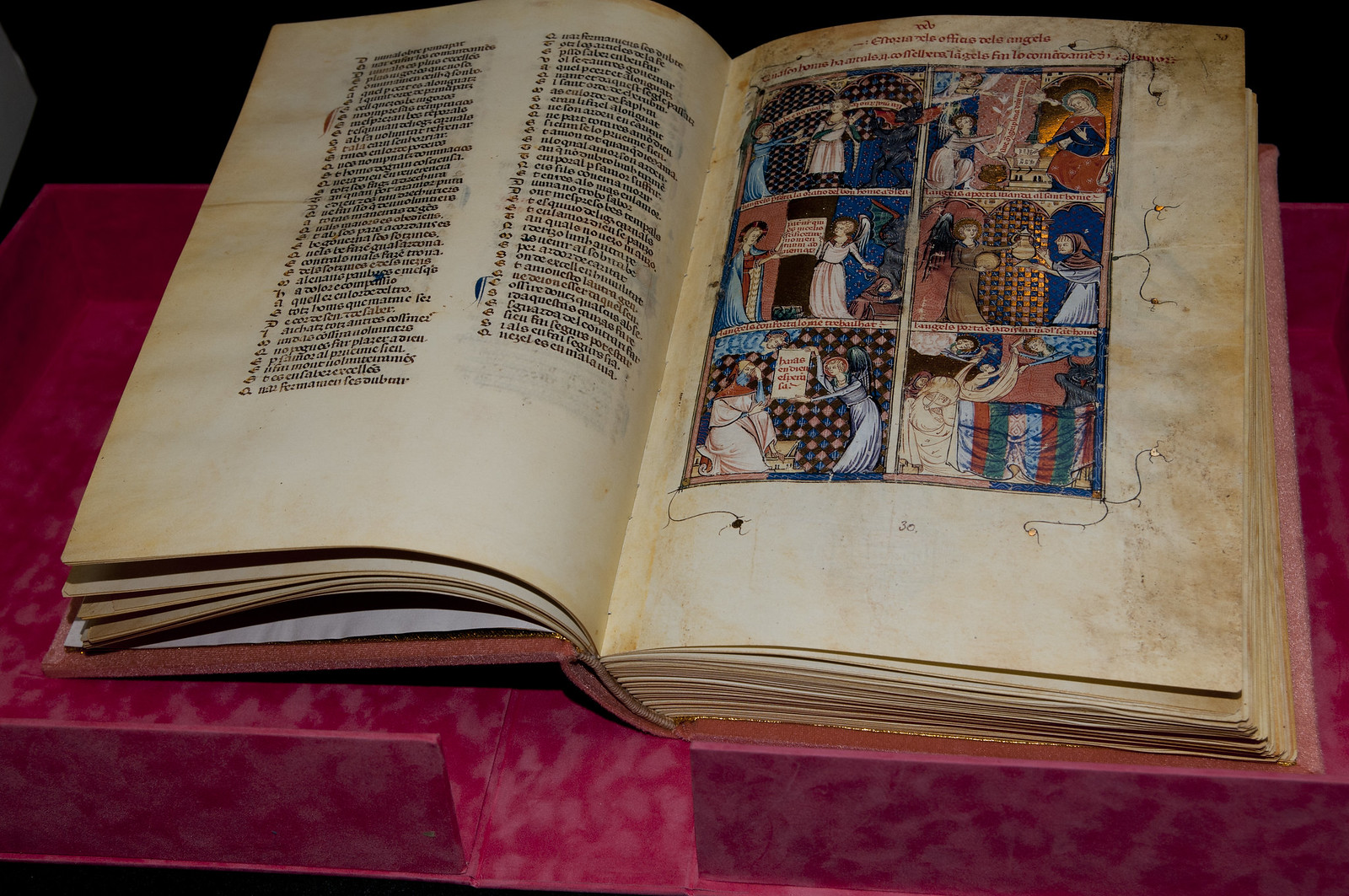
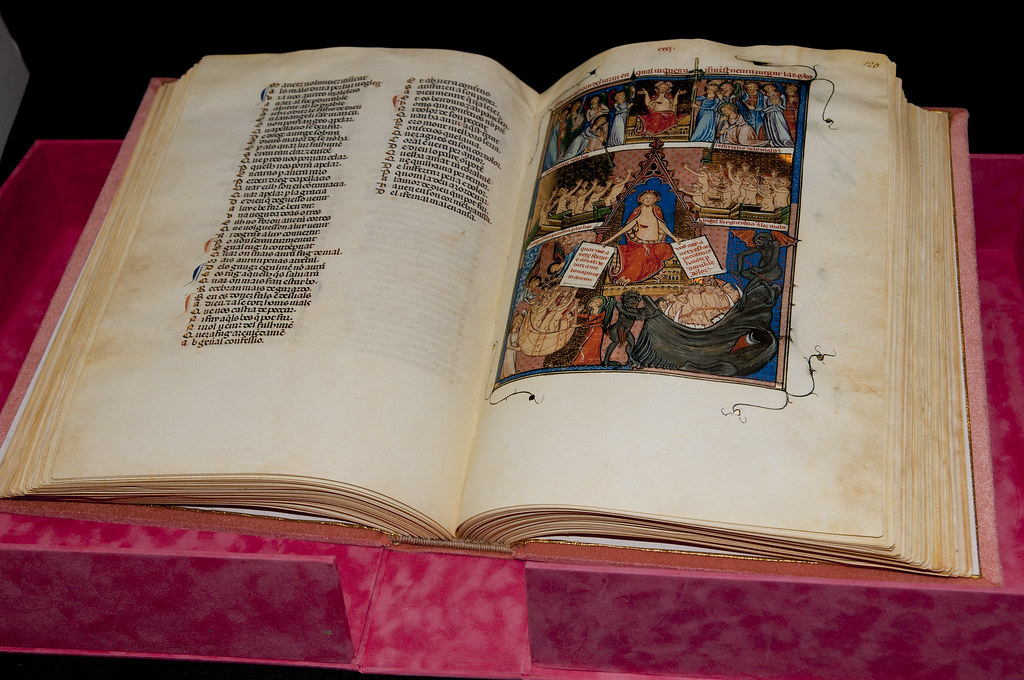
The author of this manuscript, which is preserved in the National Library of Russia (St. Petersburg), was a troubadour of Béziers Matfres Ermengans in the fourteenth century.


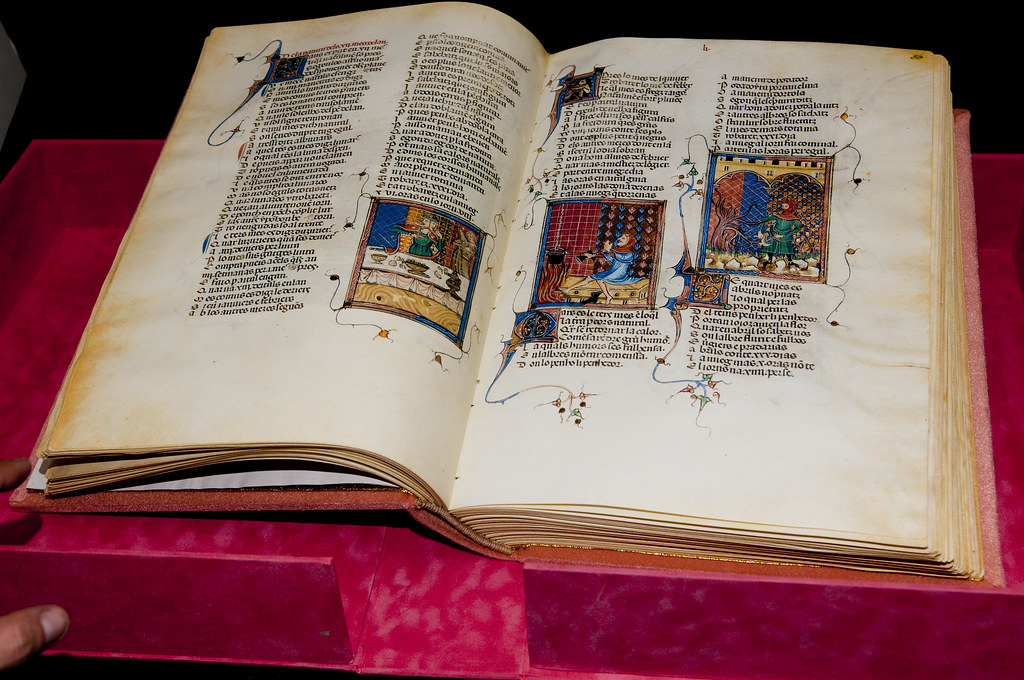
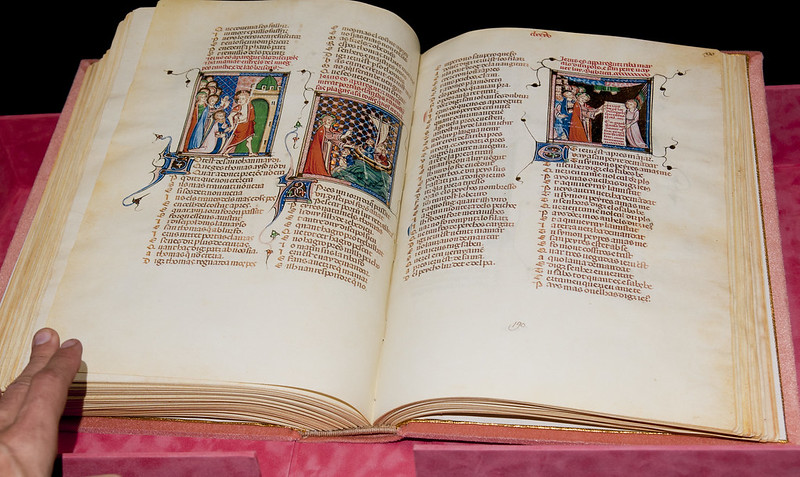
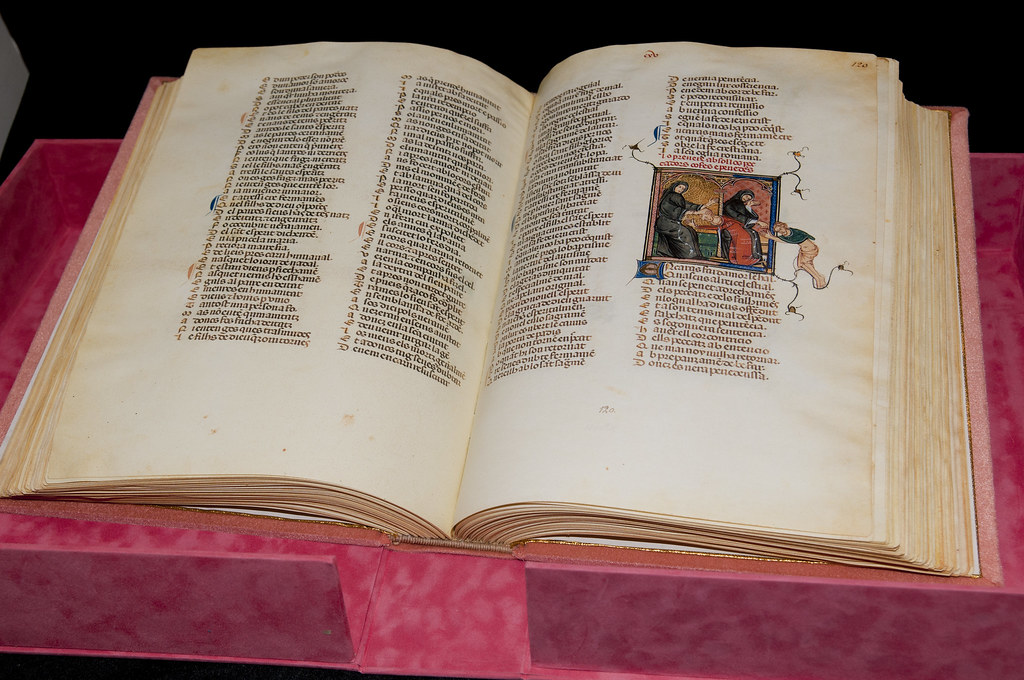
This loving compendium written by the Provençal troubadour, develops the main idea that the world emanates love in all its varieties. Love of God, promoan to earthly pleasures and finally love towards women and temptations that accompany it.


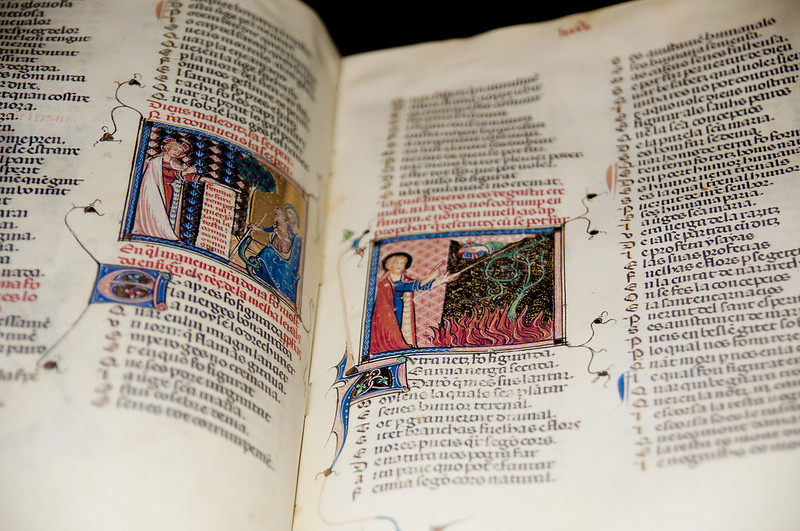
The miniatures that illustrate provide extensive information about the daily life of the period, costumes and household utensils they used.


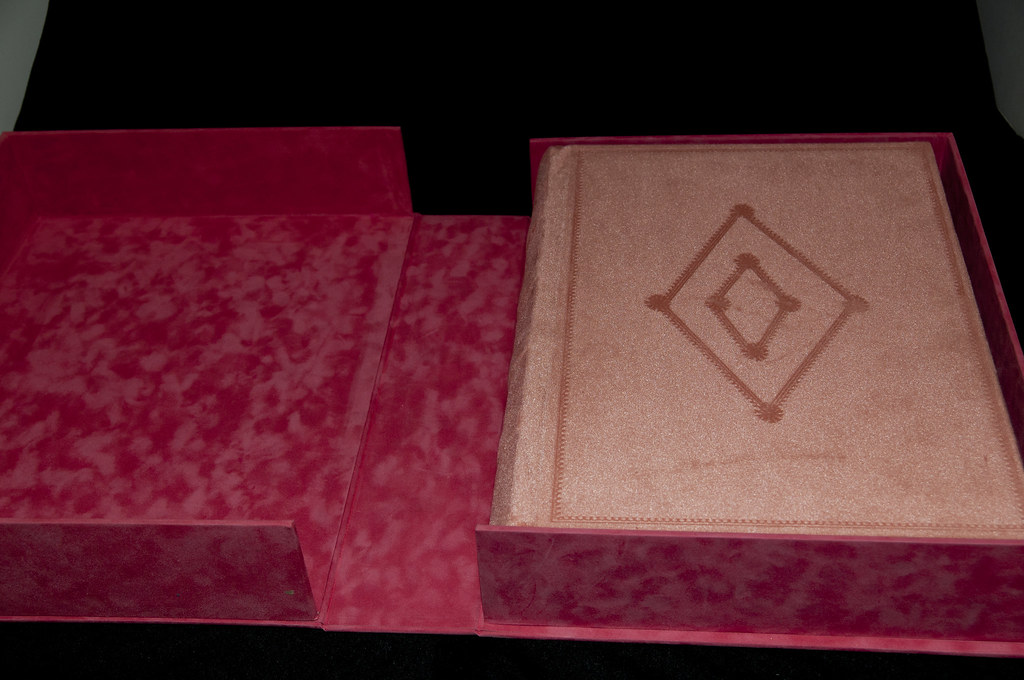
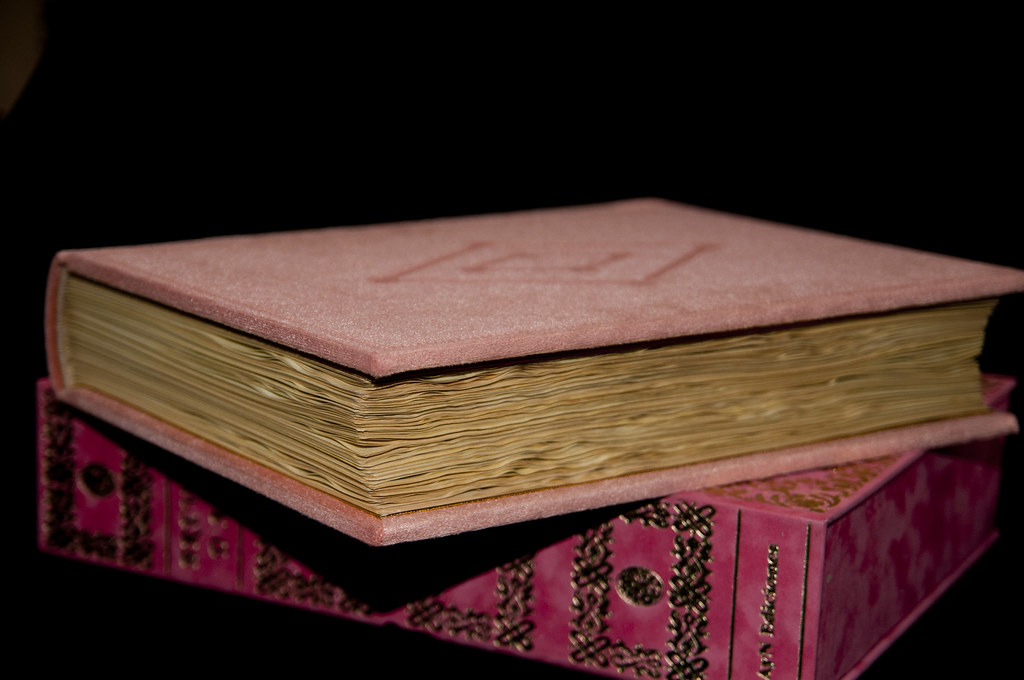
The binding is in pink patterned velvet off cardboard.


This is 838 of 995 facsimile copies is limited to the roll. Notarized the affidavit is included at the end of the book, signed and sealed.


....................................................................................................................................................

ORIGINAL: National Library of Russia (St. Petersburg) Prov Ms. F. V. XIV.1  
AUTHOR: Matfres Ermengaus Beziers  
CENTURY: S. XIV  
PAGES: 504
  MINIATURES: 29 full-page and 192 of different sizes
  BINDING: Velvet pink patterned off cartilina  
SIZE: 350x245 mm.  
LANGUAGE: PROVENZAL

 Number 838 of an edition of 995 copies
PRICE: 3400 € Contact via this blog, or email: panguitarod@gmail.com or ventadefacsimiles@yahoo.com

miércoles, 8 de enero de 2014

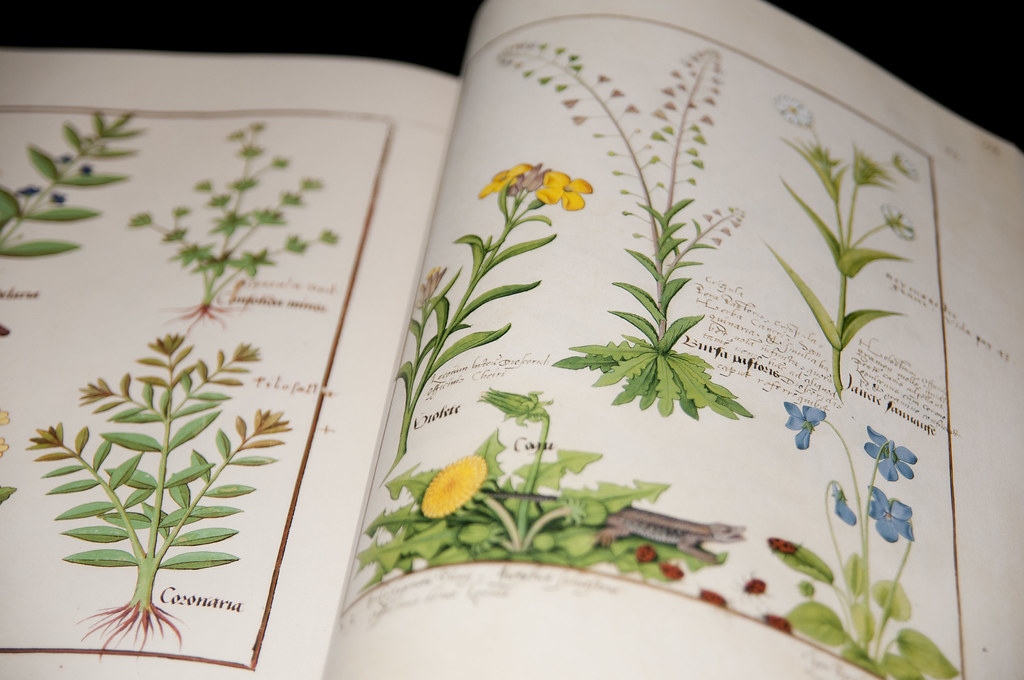
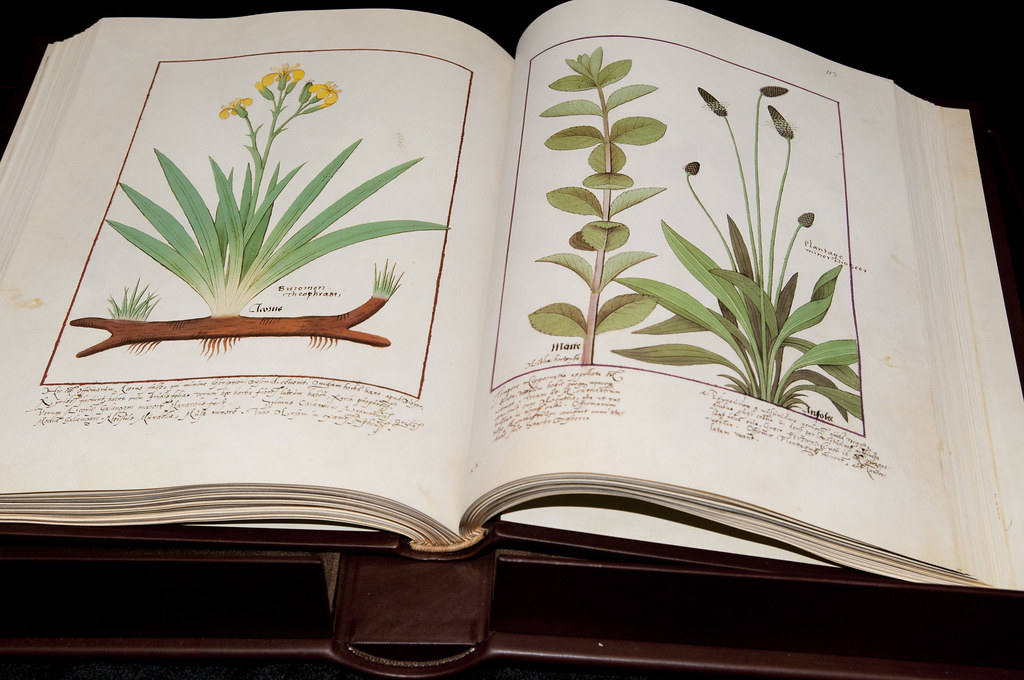
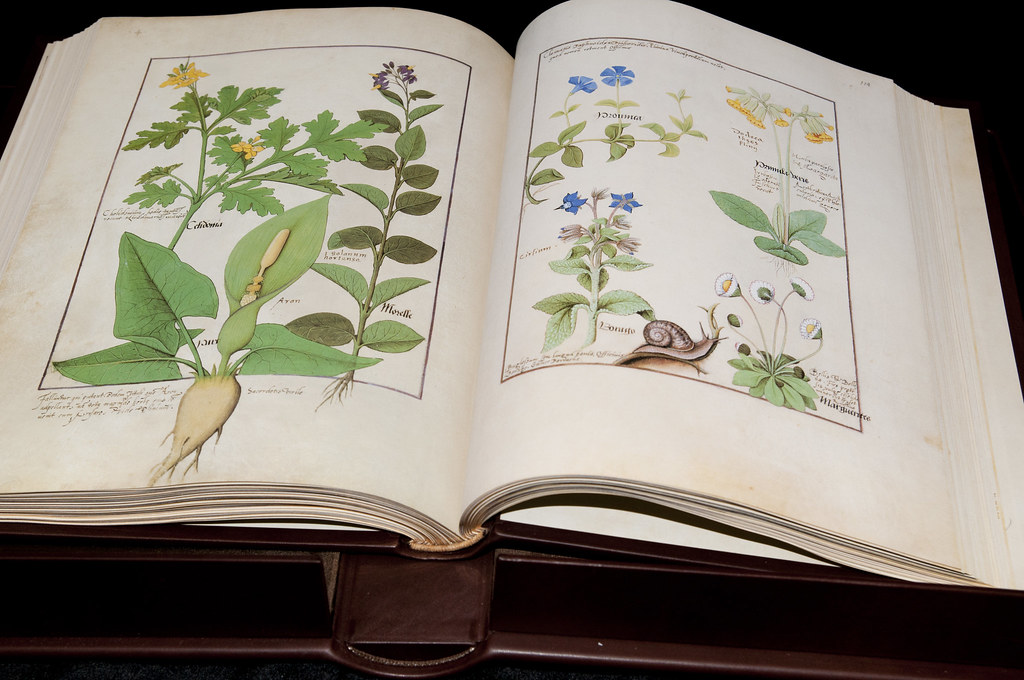
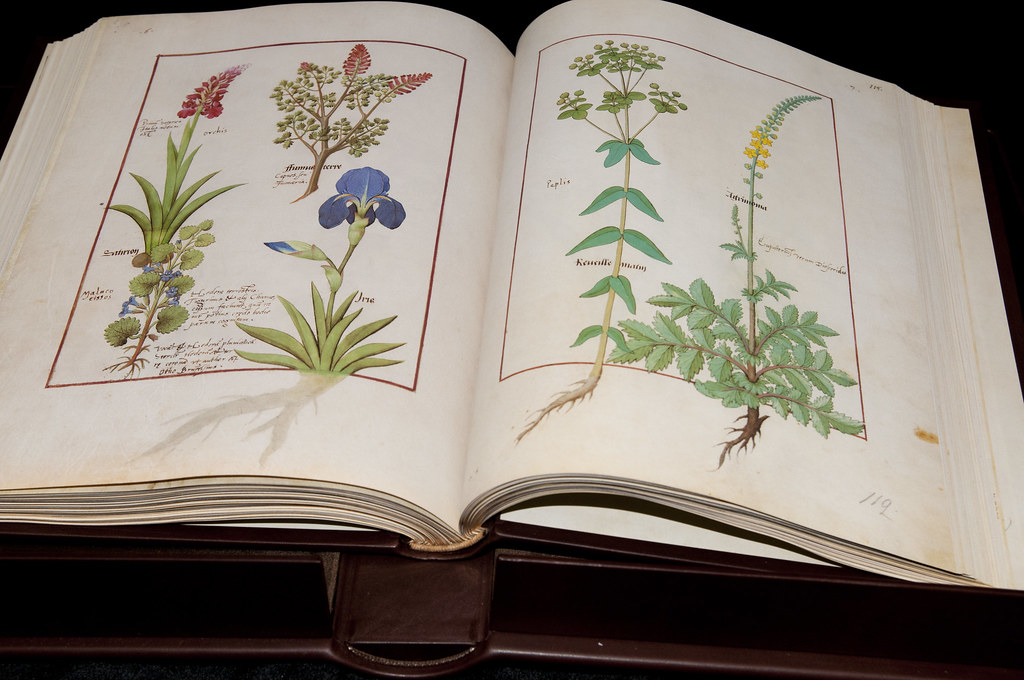
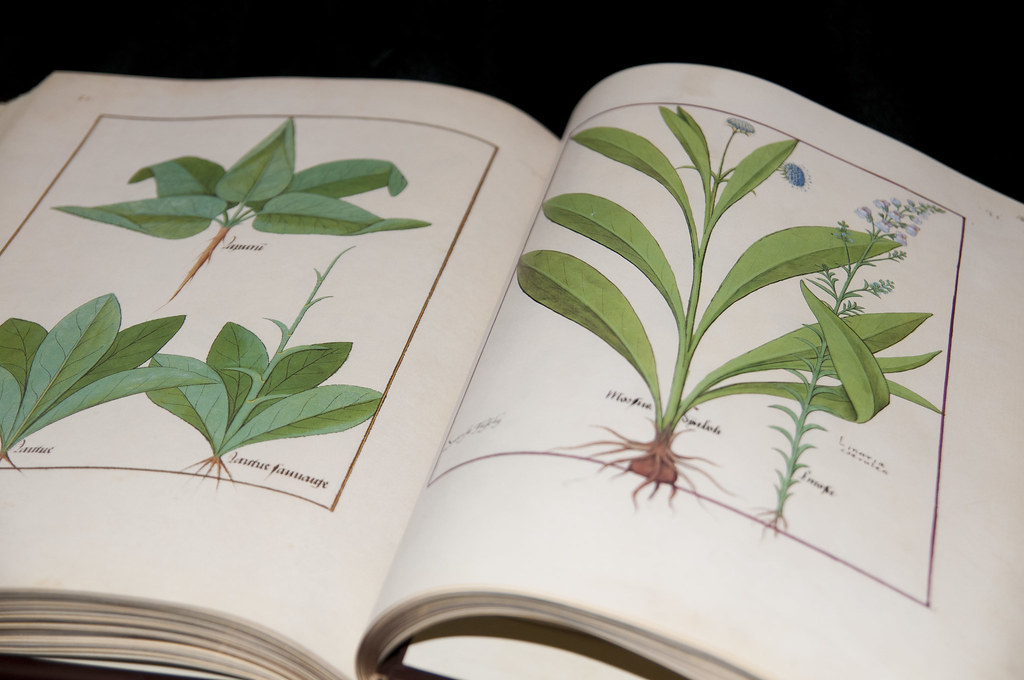
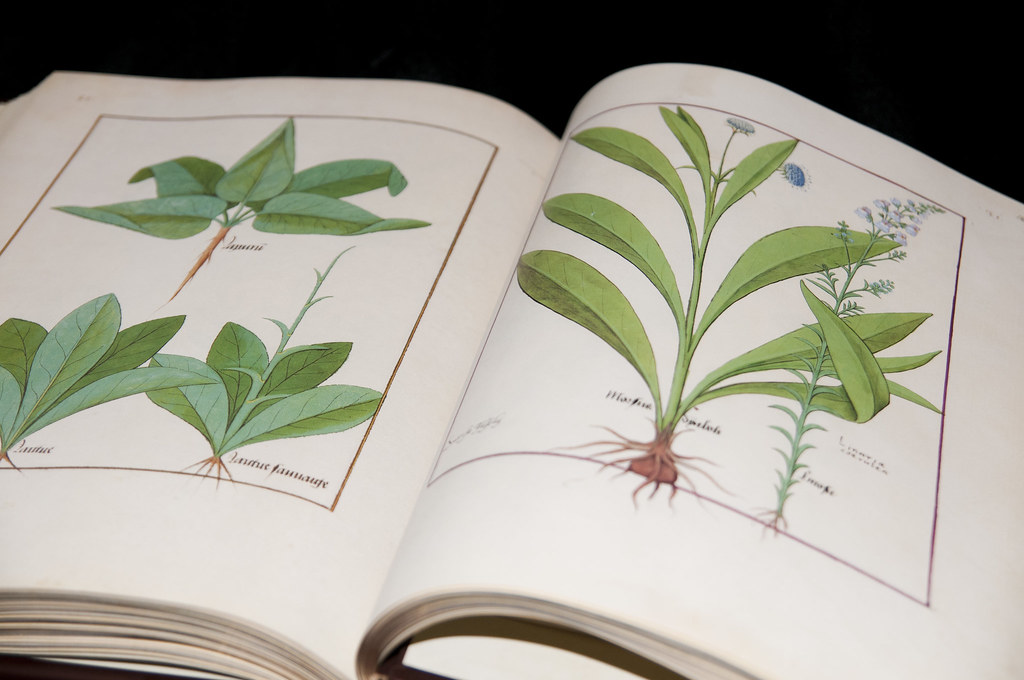
Book of Medicines - Ed Moleiro

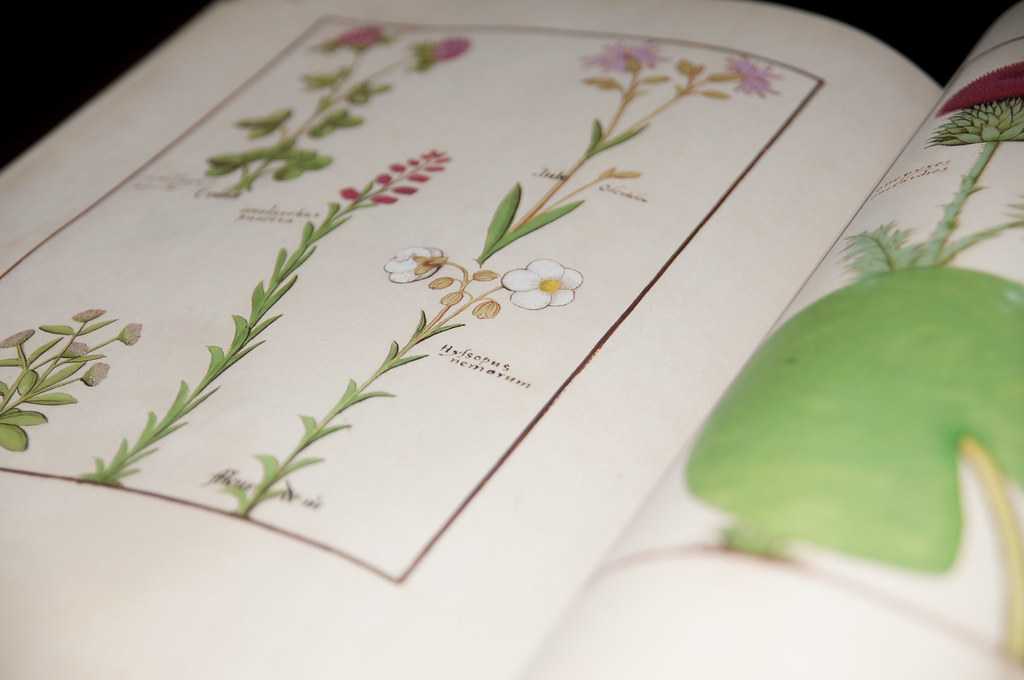
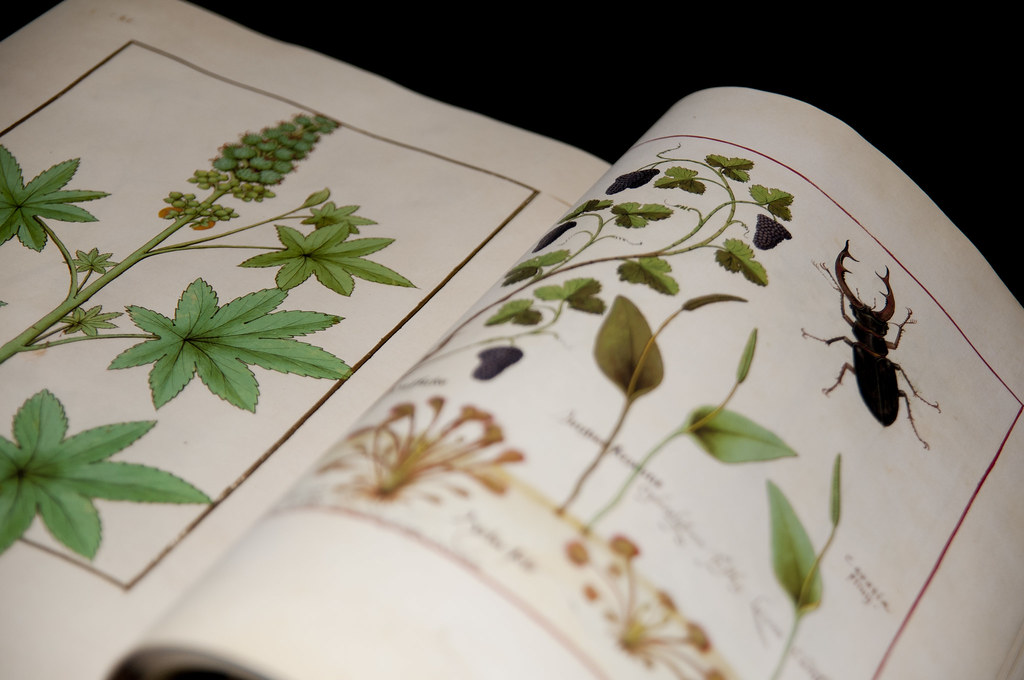
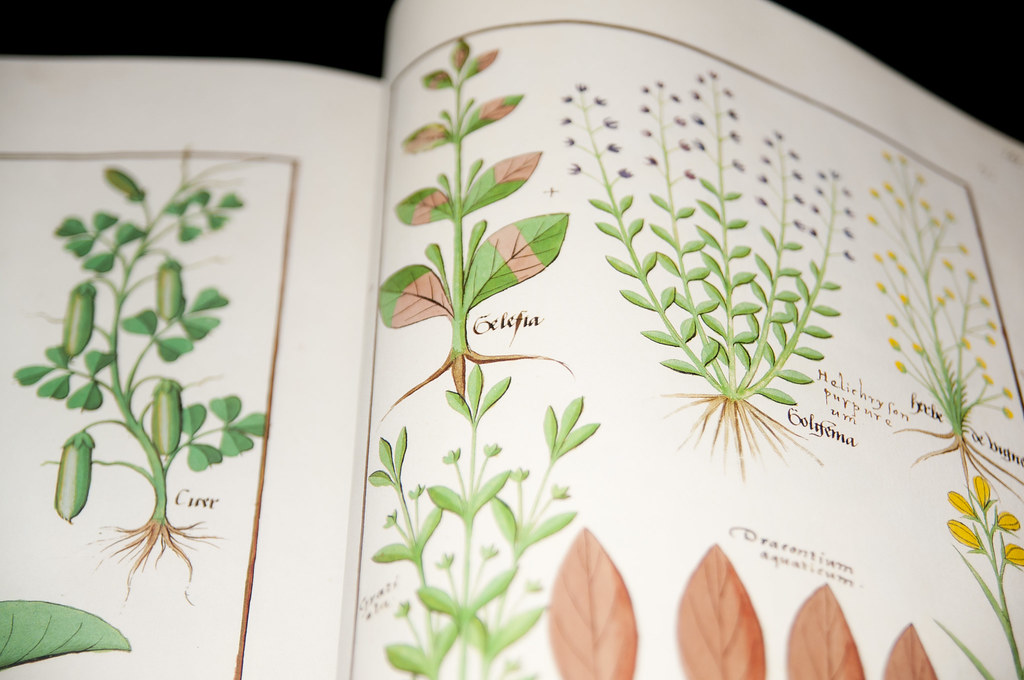
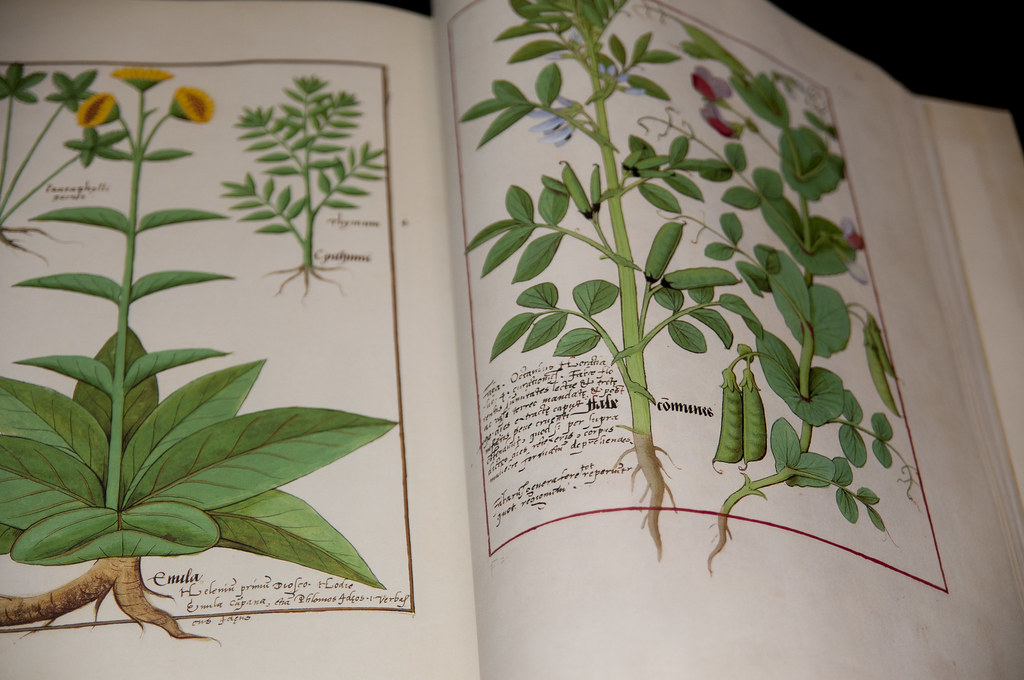
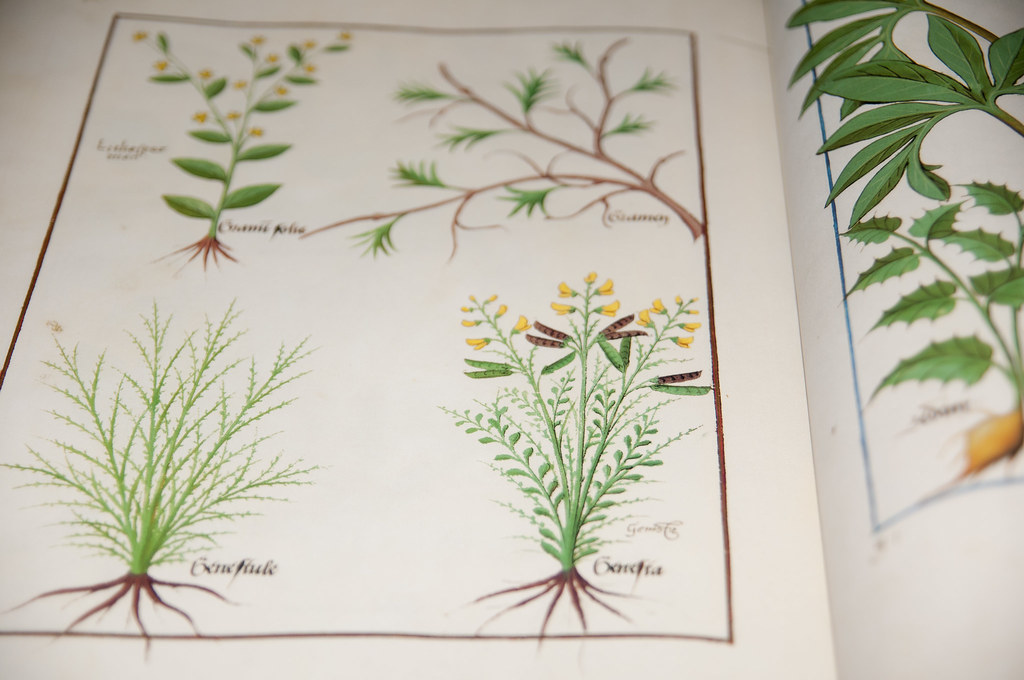
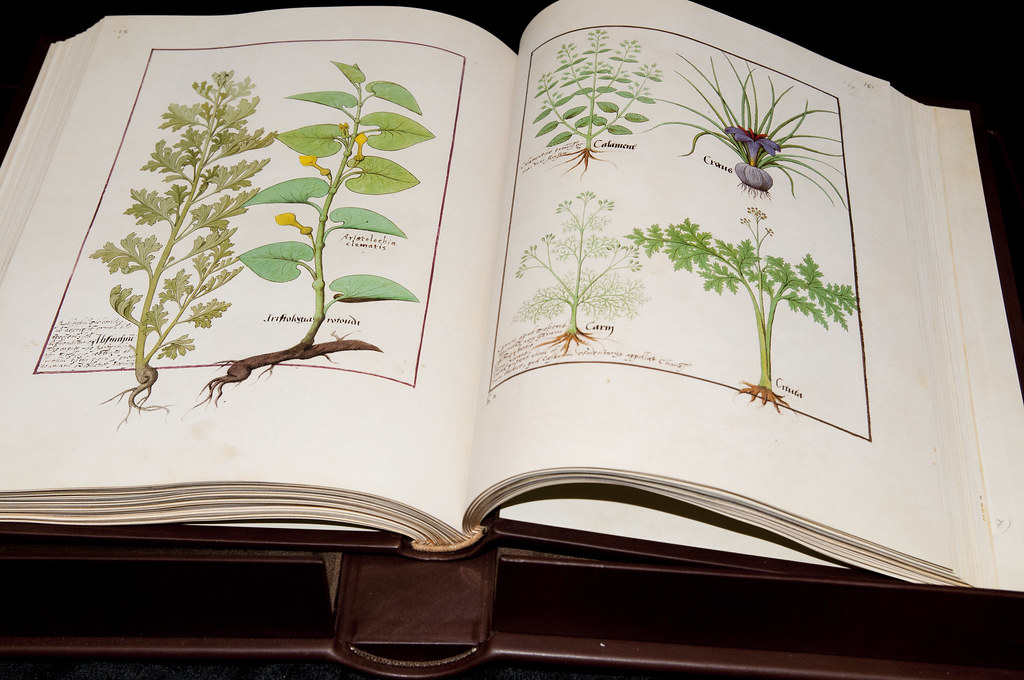
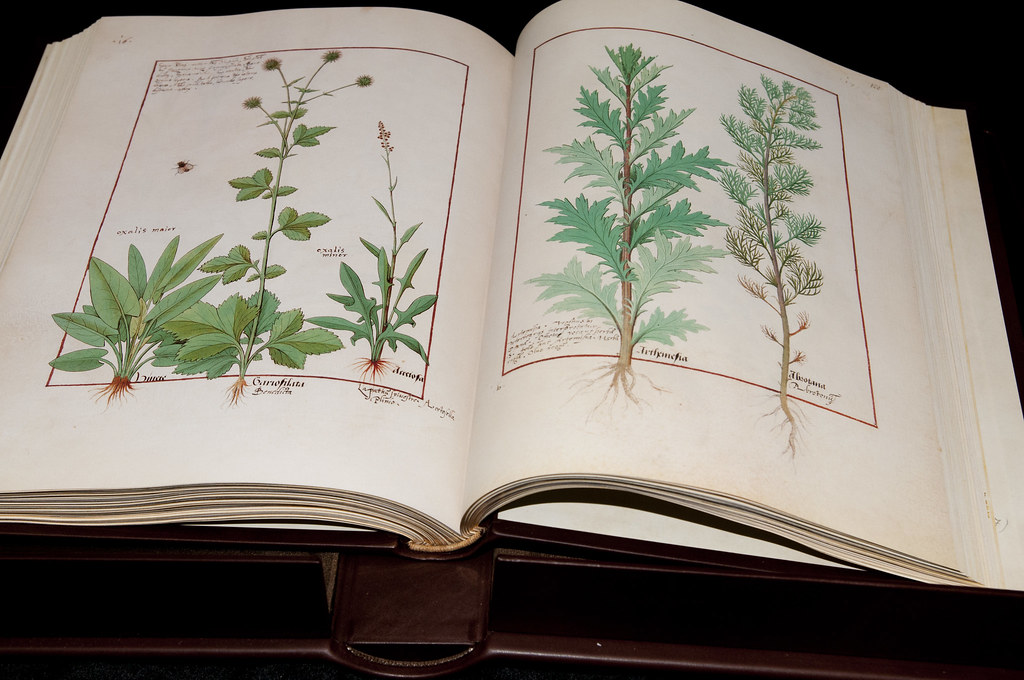
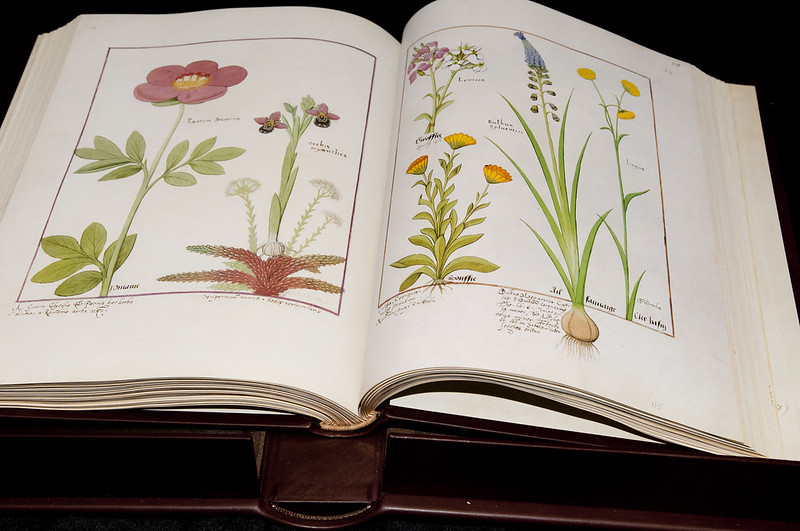
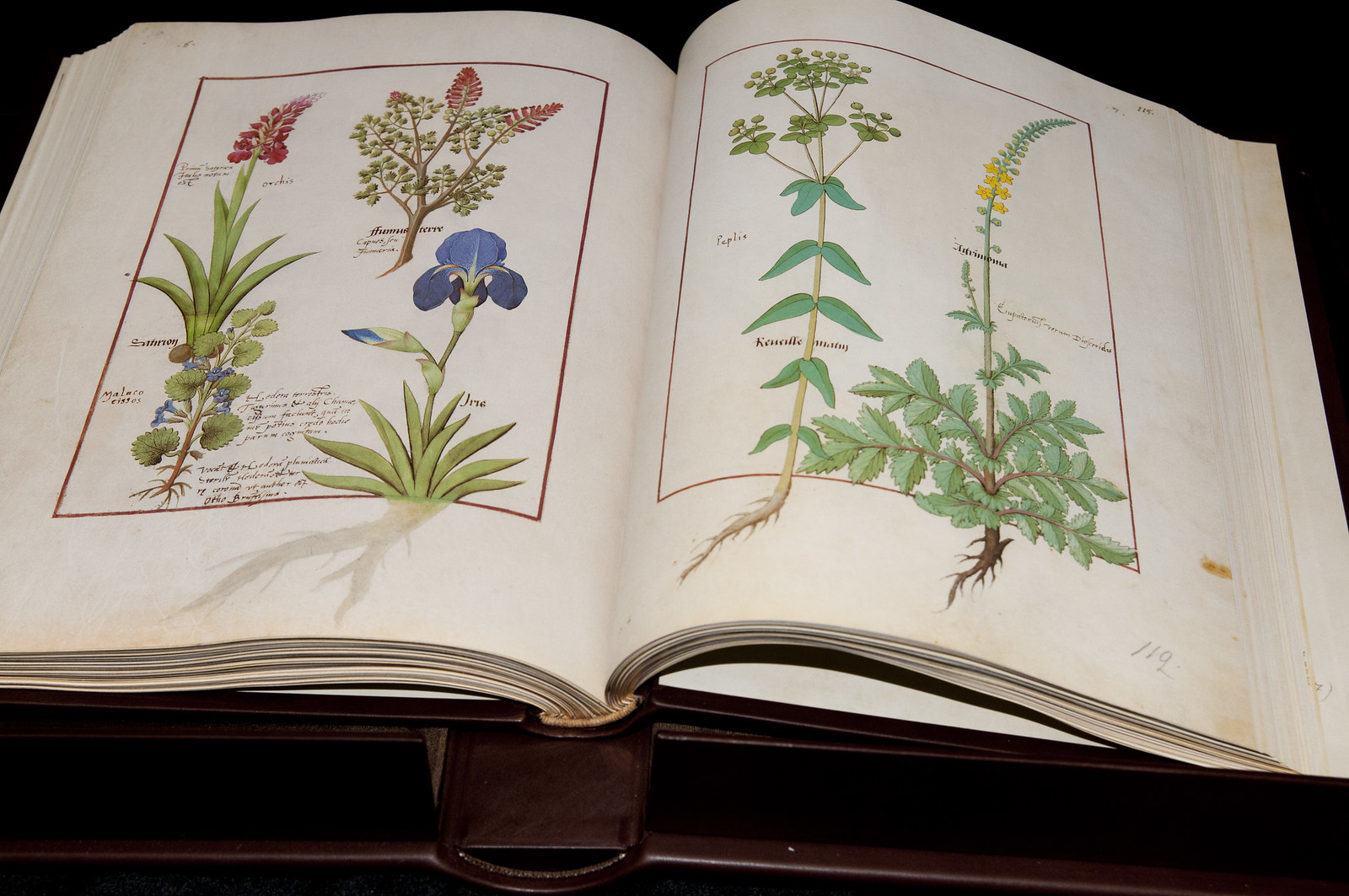
Le Livre des Médecines simple, (The Book of simple medicines), National Library of Russia, St. Petersburg, is a singular codex, not only for the beauty of its illustrations but because it corresponds to the culmination of knowledge European medieval about substances of the three kingdoms of nature serving to cure or alleviate illness


Such knowledge came from classical antiquity, Greek medical books which were recovered in Europe through Latin translations from indirect Arabic, while enriching themselves with healing products provided by the Islamic world. These translations were begun in the eleventh century and were first center as the city of Salerno. In the middle of the following century it worked Platearius Mateo, doctor who attributed De medicinis simplicibus (On simple medicines), the salernitano compendium of the most important and influential topic.


The codex is preserved in St. Petersburg was made by Robinet Testard in France in the late fifteenth century to Count Charles of Angouleme and his wife Louise of Savoy. It has a text of 220 pages divided into five parts: herbs and flowers, trees and their gums and resins, metals and minerals, animal products and other materials. It is followed by a splendid atlas of 116 pages including 386 figures. The core of the text is the French translation attributed to Matthew Platearius, which chapters of works of three centuries are added, during which the knowledge of medicinal substances, widened from translations made ​​primarily in Toledo compendium.


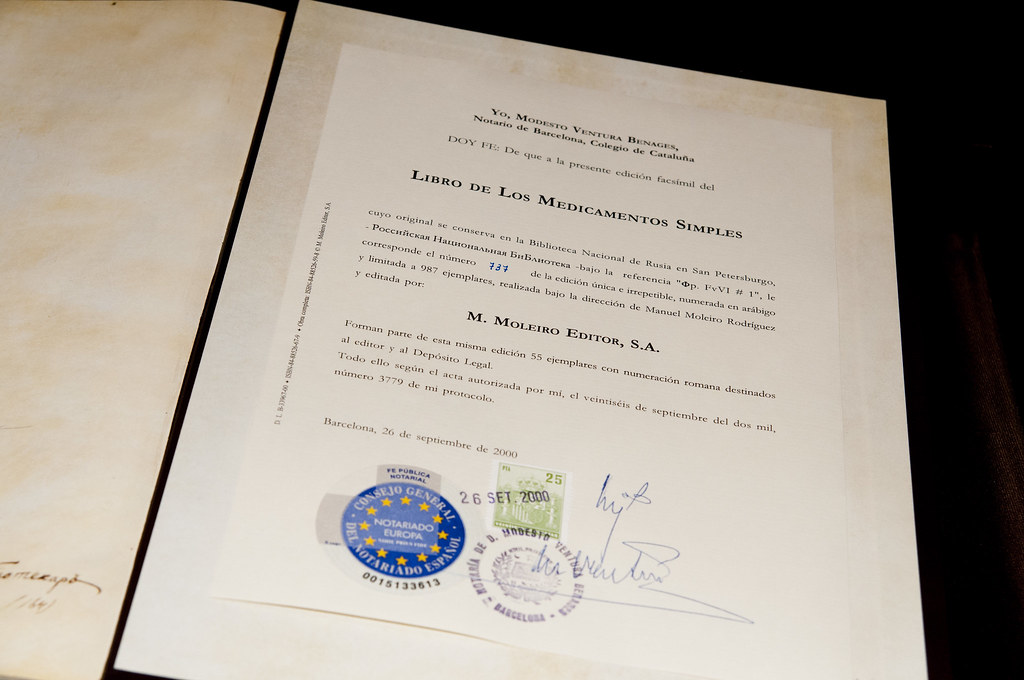
Detail of attorney, signed and stamped certificate.


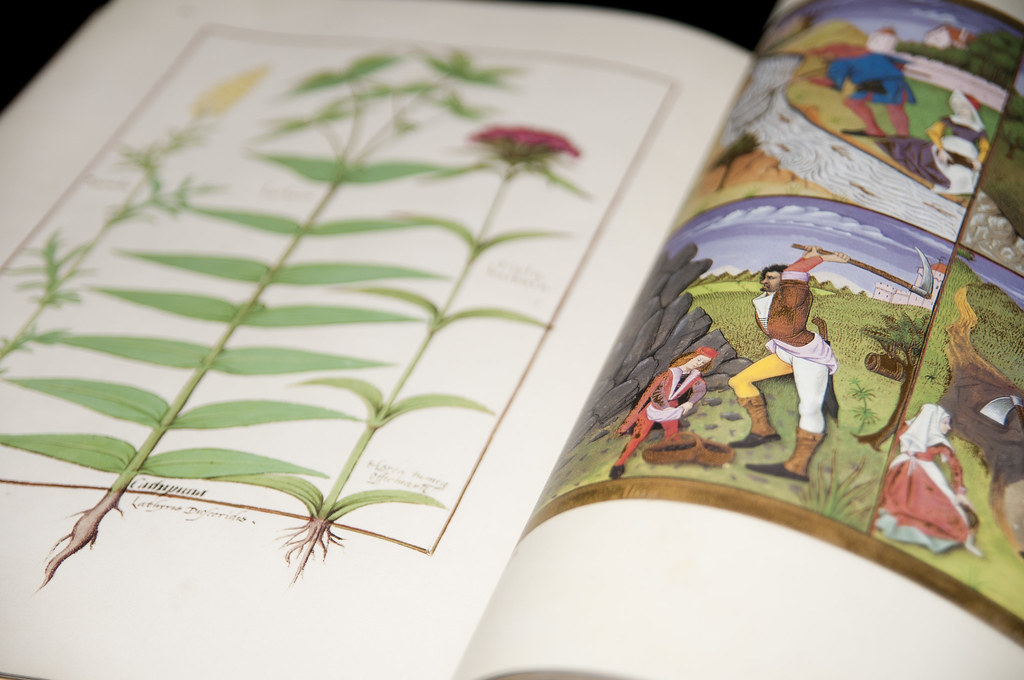
Something similar happens with the atlas, as its author-surely the great artist Robinet Testard-met, with medieval artwork removed from reality or schematic corresponding to other realistic'' back to nature'' of the Renaissance itself. Most medicinal plants and represents a lesser extent, animal or mineral healing products, but there are also scenes with persons engaged in collection.  Examples of these are the six scenes that appear on two pages of the atlas. The titled'' Aloe'' (f. 143r) does not refer to where aloes Aloes is obtained, but the aloe, ie the agáloco resin saturated wood, which at the time was often replaced by of the olivastro. The other three represent the collection of gold and antimonite alum, the latter used at the time as desiccant medicine.


An additional interest of the codex is that two doctors who managed him during the sixteenth century made a series of annotations. Both already had a distinctly Renaissance mind and possessed direct editions in Greek and Latin translations of medical books of classical antiquity. Therefore considered'' barbarians'' the original words of the codex and added other Greek or Latin, sometimes accompanied by comments.


Facsimile edition of the "Book of Simple Medicines" by M. Moleiro The original codex was made ​​in the late fifteenth century in France and preserved in the National Library of Russia in St. Petersburg. It consists of a French text of 220 pages divided into five parts (herbs and flowers, trees and their gums and resins, metals and minerals, animal products and other materials), followed by 116 pages fully illustrated with 386 figures.


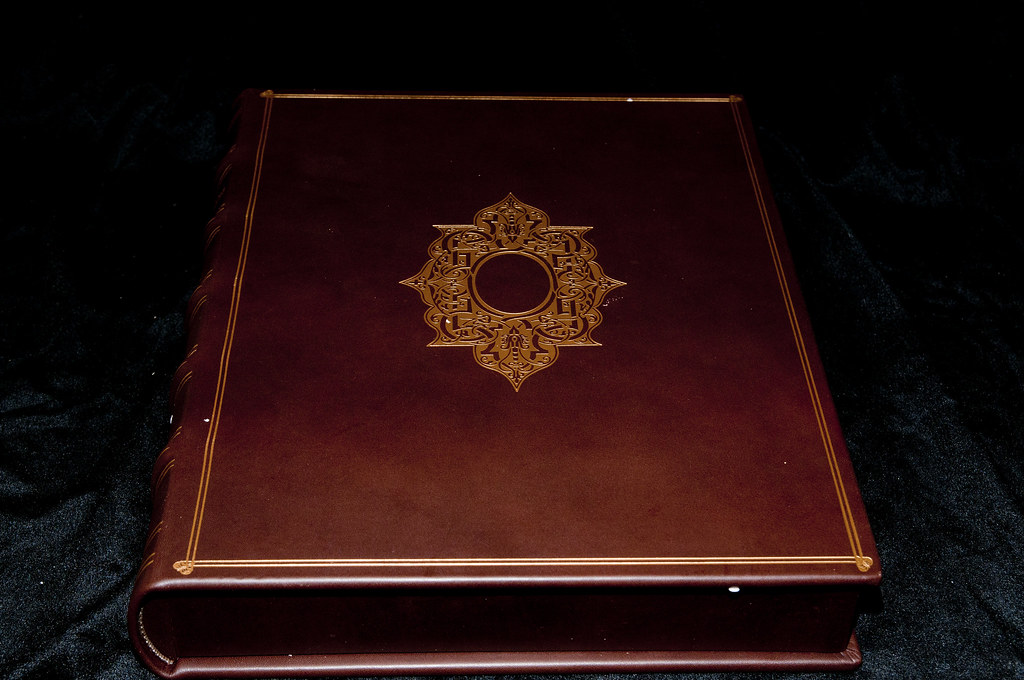
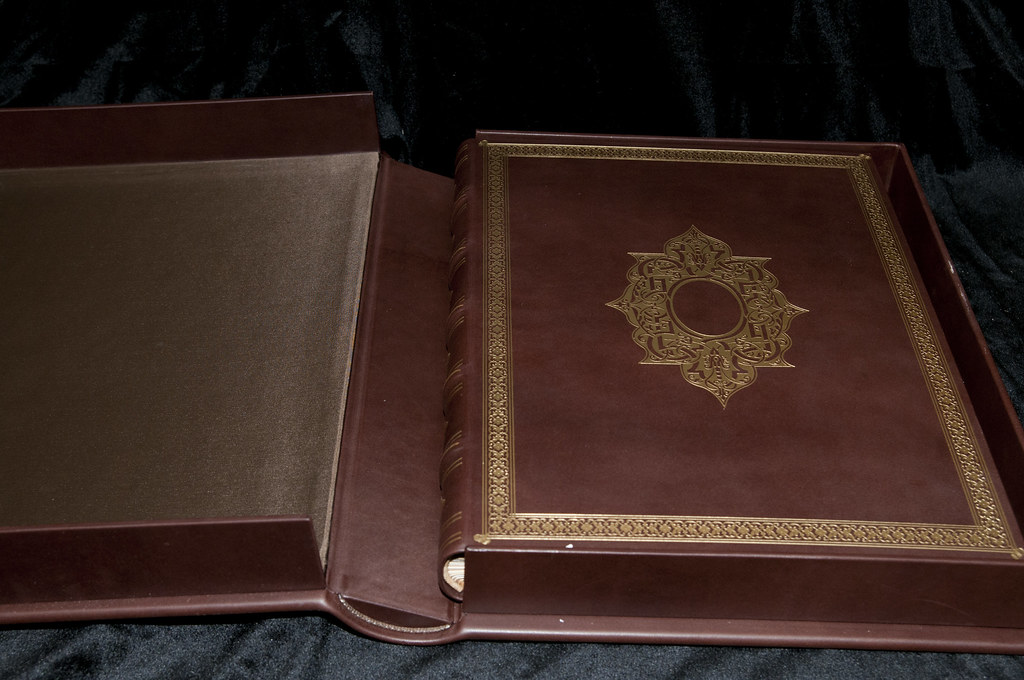
Two volumes:  1) Facsimile (ISBN: 84-88526-67-9), 260x355 mm, 340 pages, illustrated with 386 figures, bound in brown leather on wood with golden ornaments and cuts, guardalibro leather case with the same ornamentation, I copy numbered by affidavit of a single run of 987 copies;


2) volume of studies (ISBN: 84-88526-68-7), bilingual in Spanish and English.


Aloe (Aloe):Aloe is used to purify the phlegm and melancholy, to comfort the nerves and stomach, to purge the cold humours, for itchy eyes and brighten the eye. Against headache and opilación liver and spleen. Raises the menstrual flow to women. Also served against scab and corruption. It also makes good color regain those because of a disease they had lost. To stop the bleeding from a wound and to resolve it. It also prevents the hair from falling out. Expels worms belly and the other animals that enter the ears. Finally used against gout and inflammation of the ears.


Garlic ( Allium )The allium is garlic. Garlic is hot and dry in the fourth degree, although some say the middle of fourth grade. There are two kinds of garlic : the first is domestic and common , the other is wild garlic , which is called scordeon . It is less hot and dry that domestic garlic. You can not distinguish other authors each other. The wild garlic acts moderately, and is to be used in recipes and not the domestic garlic, because it acts impetuously . We use wild garlic flowers , which should have been collected at the end of spring, and can be hung in the shade to dry and be able to save for two years in a box. However, the best are garlic flowers that are harvested fresh every year . We use domestic garlic head. It has the virtue of wearing and expel the poison and served against bites of poisonous animals liquefied putting garlic on the wound . Also garlic juice taken by mouth expels poison, and this is what is called the antidote to the peasants. Against Worms belly must take garlic , pepper, a little parsley and mint juice and make a sauce with it , the patient dip the bread into the sauce and eat it . To open the ducts of the liver and urine ducts should make a similar sauce diluted in wine and juice diuretic plants . Against the obstruction of urine and pain in the bowels garlic are caught and cooked in oil, thus a poultice that is applied to the pubis and around the cock is . And for inducing menstruation women have to put a clove of garlic to the array entry , as this makes evacuate the retained menstrual flow. Constantino says that this same effect are cooked in water , garlic in which women should bathe but only to the navel. You can also boil the garlic in oil, and dip one Lechino with this oil , which is inserted into the vagina. In places where the skin has lost its color and appear morfeas , making them above an incision with the lancet in several places, and rub the cut garlic roasted , and then apply as a poultice . Estiomeneo herpes , garlic bulbs and leaves with a little pepper and handle everything taken together , and plaster blocks . This matter prepared wearing . Garlic is good for eyes because dry . But it also damages the whole body if used without restraint , because it engenders leprosy , stroke and many other diseases. Wild garlic flowers are diuretic , should be taken with wine or syrup , or any other beverage. They also serve to any obstruction of urine. In Antidotario few recipes where garlic is used domestic appear , but yet many appear with wild garlic , as it is much more tempered in their effects.


Celery ( Apium ) :Called also apium and ache , served against the obstruction of urine to desopilar the liver and spleen, the bulge of spleen , jaundice , dropsy , the abundance of phlegm , the frenzy , the quotidian . Celery is harmful to women , children and epileptics who fall . There are three kinds of celery , one is the water in French felandrio ache of rammes , and that it is helpful against kidney pain, against the obstruction of urine, stomach spasms , and spleen evil says . The other is called sardonic celery and celery in French ris ache , fits the esplenéticos who are sick spleen against the obstruction of urine, from the evil stone and also makes evacuate the retained menstrual flow and mature the abscesses . Finally , the so-called lesser celandine, and French ache of morroydes , serves to dry hemorrhoids, for lunatics and against black spots left after a wound heal .


Borage ( Borago ) :Borage is a very common plant, which has rough leaves, and is also called borago . It is hot and humid in the first degree . The leaves, while green have medicinal properties , but when dry do not. To a lesser extent than the leaves, seeds serve in medicine. It is capable of generating good blood, and therefore fits the emerging of a disease, and are predisposed to have a spasm or heart defect or suffering from heart passion. For those who have heart disease , or excess of melancholic humor in the body , it helps borage eat meat or stews made ​​with tallow or grease . Against syncope or spasms , you should make a syrup of borage juice with sugar. Against heart disease is likewise a syrup of borage juice with sugar to dust bone of a deer heart is added. Melancholy against passion and epilepsy , baking canafistola borage juice , and this decoction make a syrup . In the case of not having the grass , then bake the seeds in water , this cooking school and then becomes a syrup . Dry seeds can be stored for two years perfectly . The root is not good for use in medicine. Borage raw foods also engender good blood. Against jaundice should eat often cooked with meat, and drink juice borage endive juice , according to some , is a kind of lettuce.


CONTENTS:  Image reader  Le Livre des The codex simple Médecines, National Library of Russia  José María López Piñero (†) (Institute for History of Science and Documentation López Piñero, University of Valencia - CSIC)  codicological study  Natacha Elaguina (Chief Curator of the Department of Western Manuscripts, National Library of Russia)  The simple illustrations Livre des Médecines National Library of Russia  Carlos Miranda (PhD in History)  Le Livre des Médecines simple, annotated translation  María Luz López Terrada (Institute of History of Science and Documentation López Piñero, University of Valencia - CSIC)  ISBN: 978-84-88526-68-7


..............................................................................................................................................

Document: FP. Fv VI # 1
  Date: s. XV 
Size: 260 x 355 mm 
340 pages, with a splendid iconographic atlas with 386 figures  Bound in brown leather with gilded ornamentation 
Leather case  Study book (432 pp.).  "Almost-original", first, unique and unrepeatable edition strictly limited to 987 numbered and authenticated by a notary  
ISBN: 978-84-88526-69-4

Number 737 of an edition of 987 copies
PRICE: 3000 €
Contact via this blog, or email: panguitarod@gmail.com or ventadefacsimiles@yahoo.com

jueves, 26 de diciembre de 2013

Atlas of Natural History Felipe II - Vicente García Editores

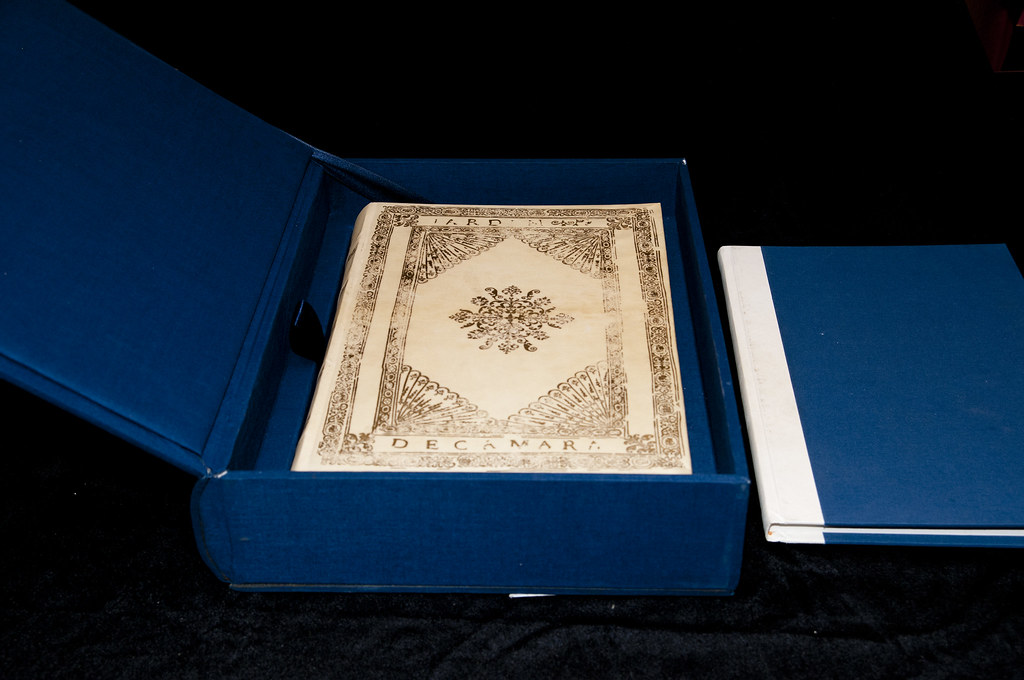
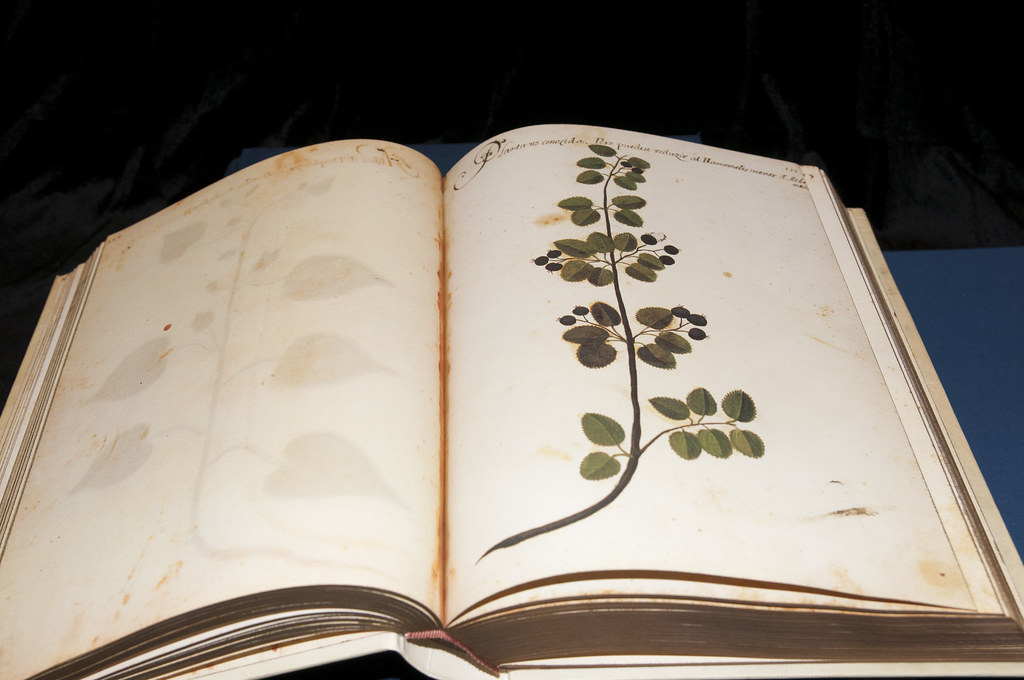
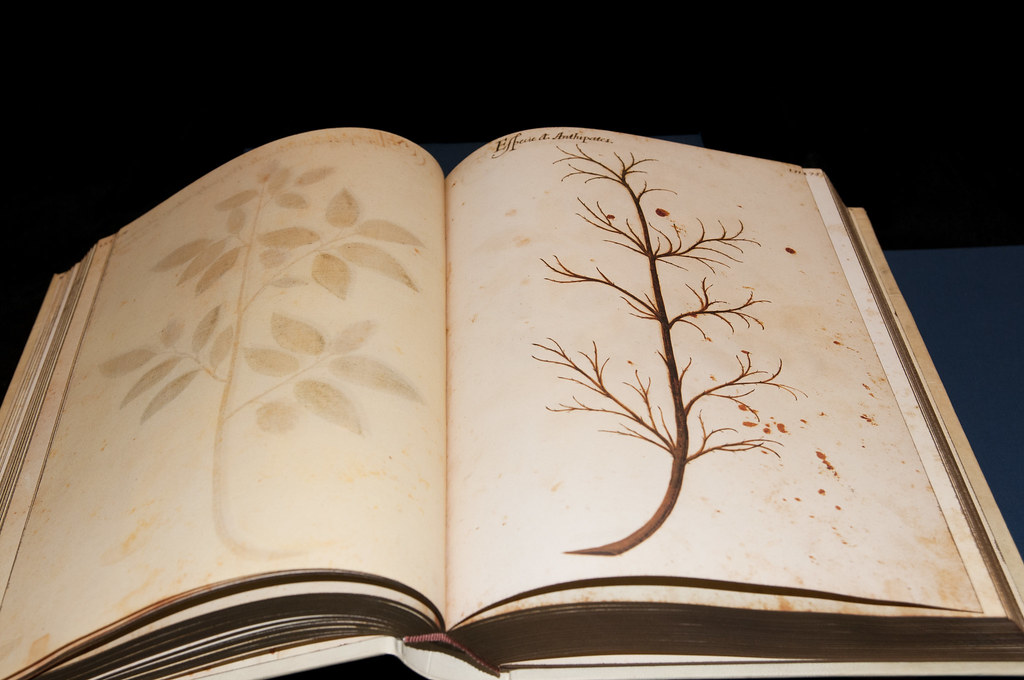
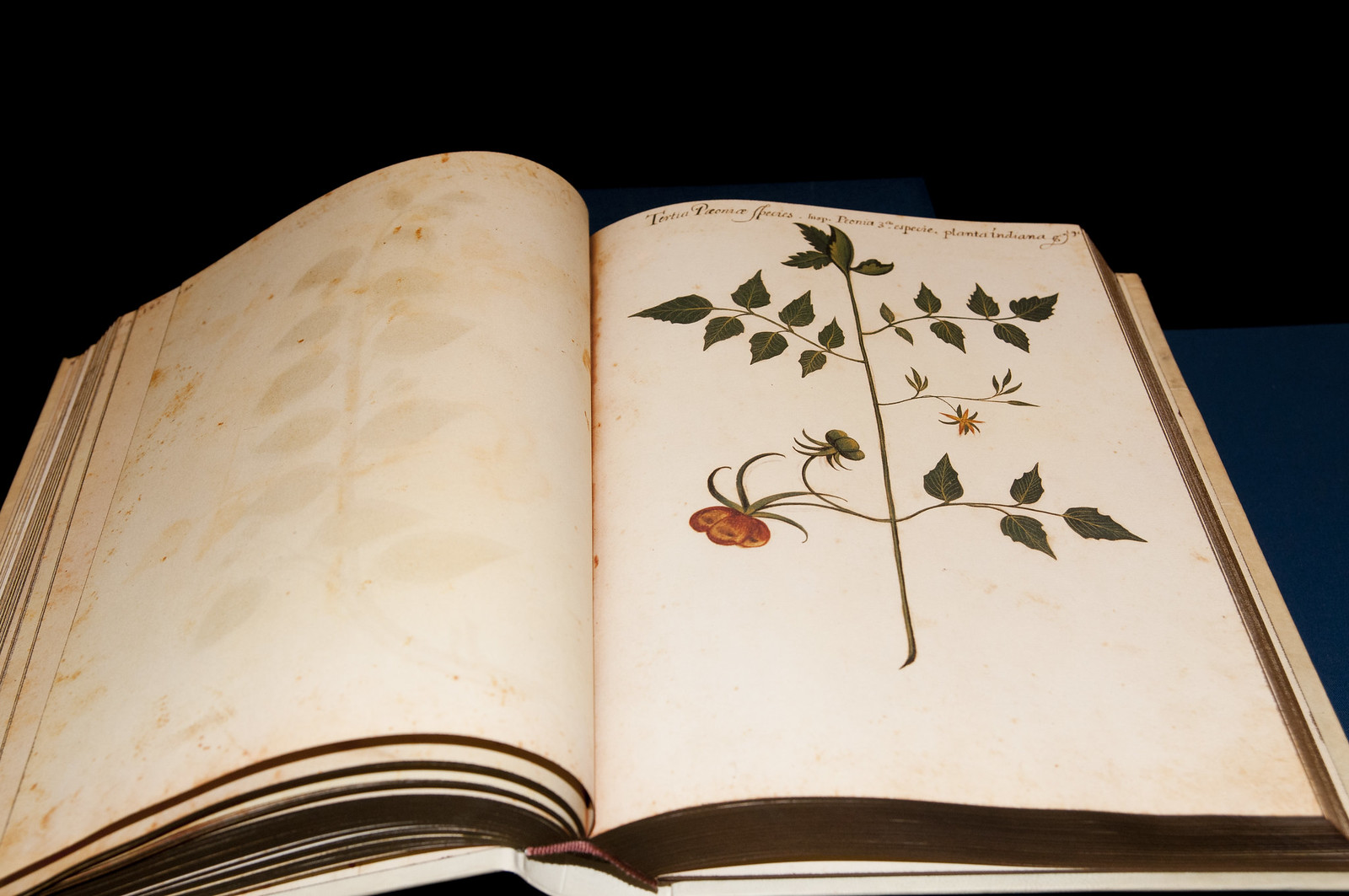
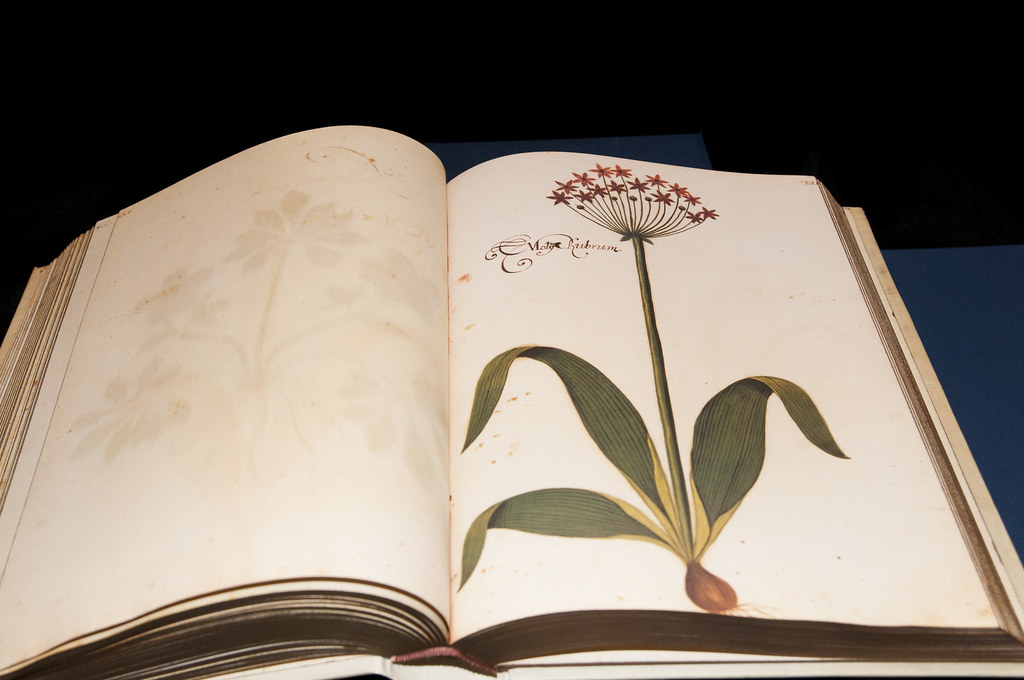
The Atlas of Natural History, or Pomar Codex is a pictorial manuscript composed of 218 color plates painted on paper to one side. The first 47 correspond to the wildlife, and from the start of the fourth botany. Titles in Latin in the sixteenth century humanist letter. Paging old ink in the upper angle defective: page 16 jumps to 21, of the back 197 to 180, according to the end. Modern foliation in pencil on the back of the sheets in the lower right corner. The sheet 42 is impaired in the lower left corner.


In binding with gilt decorations on covers and legends: "Garden House" and "Portrait of nature." Gilt edges. In the last leaf with guard seventeenth century letter reads: "The King Felipe II gave our this book to your physician Dr. Honorato Pomar, Valencian, herbs professor at the University of Valencia; heredole his teacher son Pomar and he sold me his dead mother's widow said Dr. Pomar for £ 50, having tried painters in value of 100 pounds. HMDLV "In the back, the following note: "Ex libris ab Academy Valentinae Legatis Exmo D. Jaunario Perellós, Marchione de Dos Aguas.".


None of the films is signed, but it can be shown that a double foliation Atlas gives the great historical and scientific attention. First, many of the sheets have typical characteristics of Veronese Ligozzi James, one of the most celebrated artists of plants and animals of the sixteenth century. Secondly, another part of the Atlas sheets corresponds to drawings of plants and animals made ​​in the U.S. is generally regarded as the first modern scientific expedition: the one intended by Felipe II to investigate "the history of the natural things of our Indias" . Directed by Francisco Hernández, this famous expedition studied from 1571-1577 Mexican nature.


This manuscript is a source of exceptional importance of botany and zoology Renaissance iconography. Its origin has a high historical significance: it was given by Philip II to Jaime Honorato Pomar, holder of the Chair of "herbes" or medical botany at the University of Valencia, the first devoted to this subject in the Hispanic kingdoms and one of the most early in Europe.


Facsimile reproduction of the edition preserved in the General and Historical Library of the University of Valencia.

It consists of: Facsimile + Book + Case study material.

-Roll only 3,000 copies, numbered by notary.

-Bound in parchment.


-Paper Ingres. Piggy Casas. Specially manufactured with the same characteristics as the original.

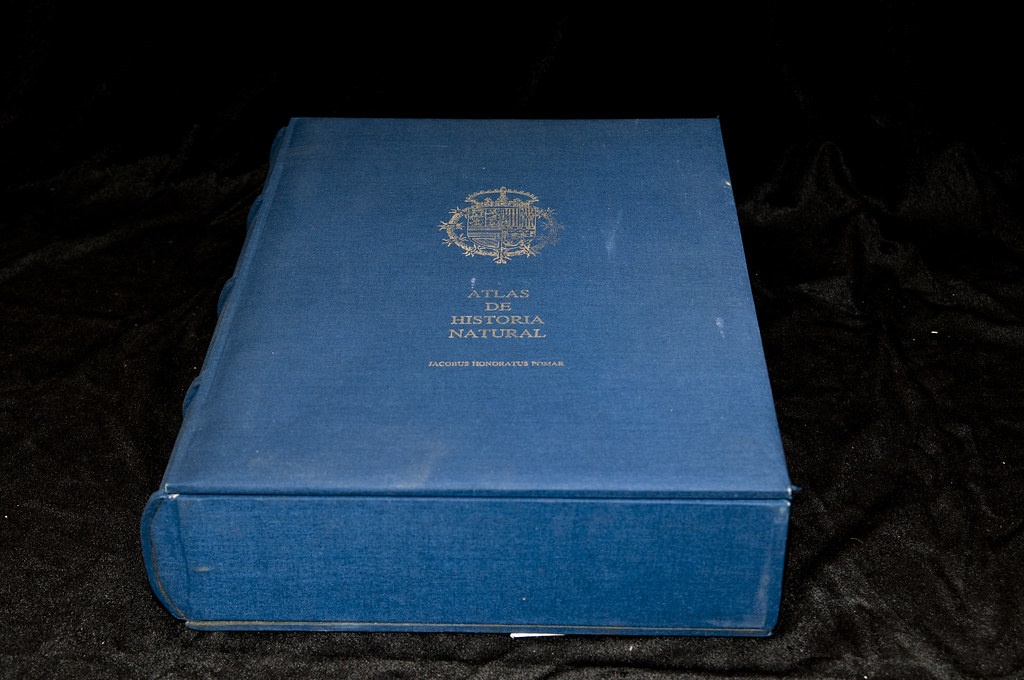
-Presentation case with cloth binding and gold engraving.


Study of 138 pages in Spanish and English by José María López Piñero (Former Professor of History of Science at the University of Valencia, Former Director of the Institute Documentary and Historical Studies of Science at the University of Valencia, CSIC) and translated by Thomas F. Glick (Boston University).


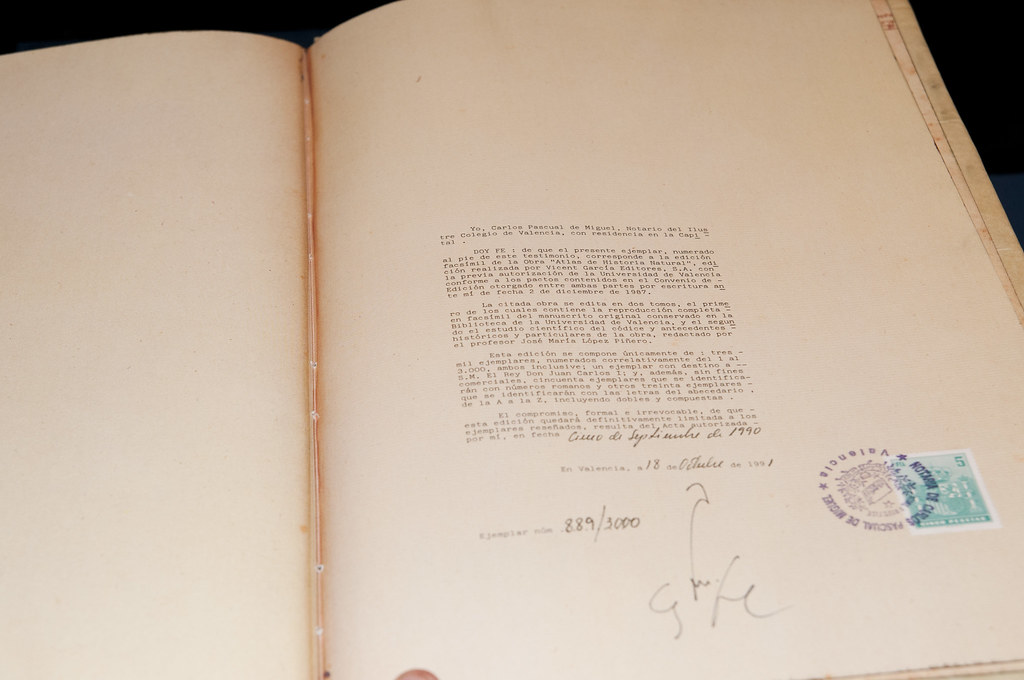
Final page where you can see the affidavit, signed by a notary and official seal Colgio. This is the fax number 889 of an edition of 3000.


..........................................................................................................

Document: Ms 9
Rating: Facsimiles . Illuminated manuscripts.
ISBN 10: 84-85094-91-3 .
ISBN 13: 978-84-85094-91-2 .
Size : 23.7 x 34.8 cm .
Sheets: 232 +2 crd.
Pages: 464 +4 crd.
Language: Latin
Original Dating: XVI century
Facsimile edition Date : 13/06/1990 .
Circulation: 3000. this is the 889
Binding: Bound in parchment on panel, with gold engravings.
Main theme : Botany and Zoology .
Components : Case in Dutch with gold back in hand skin; facsimile volume and volume studies , in Spanish and English by José María López Piñero ( former professor of History of Science at the University of Valencia, former Director of the Institute for Documentary Studies and Historical Science of the University of Valencia , CSIC) and translated by Thomas F. Glick ( University of Boston ) .
BEST EDITED BOOK AWARD 1990 IN SPAIN .

Paper made especially with the same characteristics as the original.
Limited edition , numbered and signed copies by a notary public , and the signature of the printer-publisher.

PRICE: € 3,990

Contact via this blog, or email: panguitarod@gmail.com or ventadefacsimiles@yahoo.com


Depleted Edition Publisher and difficult to get.

lunes, 2 de diciembre de 2013

Book of Hours of Charles V - Ed Versol


In 1999 published a facsimile Versol Deluxe Book of Hours of Charles V, the original of which is preserved in the National Library of Spain (Code Vitr. 24-3). This facsimile of his last 4,850 PVP was in euros, of which only 575 numbered copies were made, is sold out.


One of the most important manuscripts of which are kept in the National Library of Spain is known as the Book of Hours of Charles V. The rationale for membership is based on a handwritten note from the second sheet Guardian: Hic liber fuit Imperatoris Caroli Magni V. For its high content educational interest, possibly he was given was very young. He belonged to the house of Habsburg until Philip III donated to Cardinal Francisco de Joyeuse.


The codex, written in French bastard letter is as Durrie, "particularly interesting for the history of lighting Work." In its 336 pages, approximately 320 are lavishly illustrated with paintings muralists and very striking and sensationalism, making this codex is an exceptional gem. included, also, many historiated miniatures (over 700) in many varied fringes.


It contains several double page (the victorious entry of Heraclius into Jerusalem Cross with Christ, David's victory over Goliath or the meeting of the three death knights), which would be sufficient to qualify the codex as a masterpiece.


They have less merit the rest, which combined with short texts, clearly involve a didactic purpose. Another large number of them have been made in full page and culminated with gold leaf. 


Detail where you can see the quality certification of the work, notarized. This is the copy number 444 in a unique and unrepeatable edition of 575.


Without any doubt, this Book of Hours, is one of the most beautiful and beautiful of our artistic heritage. Although the prologue does not advertise, the Book of Hours of Charles V served its holder as a genuine encyclopedia moralizing, because among the many Bible stories are interspersed cycles: concordance between Sibyls and Prophets, Legend of the Cross Miracles of the Virgin, concordance between Prophets and Apostles Creed composition, Acts, Chronicles of the Life of David and Life of Job, Legend of the Three Living and the Three Dead, Dance of Death, etc..


This proliferation of images reminds us that the value of the Book of Hours with illustrations served more to be seen than to be read, and this particularly shattered the previously established to show a new civilization of the image.


Charles I of Spain and V of Germany there are several Books of Hours but the National Library of Spain is considered the most beautiful and interesting.


This manuscript is as Durrie, particularly interesting for the history of lighting work.


In its 336 pages, 320 are richly illustrated with paintings by muralists and very striking and sensationalism, making this codex is an exceptional gem.


Included, also, many historiated miniatures (over 700) in many varied fringes. It contains several double page (the victorious entry of Heraclius into Jerusalem with the Cross of Christ, David's victory over Goliath or the meeting of the three death knights), which would be sufficient to qualify the codex as a masterpiece.


Book studies helps to read the codex.


Exterior View. You can see the box in which are included both as facsimile study book. All collected in a simulation of a book with a sleek aesthetic.

Side of the box Vista.


The codex , written in French bastard letter is as Durrie , " particularly interesting for the history of lighting Work. " In its 336 pages, 320 are richly illustrated with paintings by muralists and very striking , making this codex is an exceptional gem. Included , also, many historiated miniatures (over 700 ) in many varied fringes . It contains several double-page : the triumphant entry into Jerusalem Heraclius with the Cross of Christ, to win David over Goliath, and I find the three Death Knights , which would be sufficient to qualify the codex as a masterpiece. Another large number of them have been made in full and culminated with gold leaf page . " Although not announce the prologue , the Book of Hours of Charles V served as its possessor a veritable encyclopedia , because between the biblical stories are interspersed various cycles: Concordance between Sibyls and Prophets, Leyendas de la Cruz , Milagros de la Virgen, Concordance between Prophets and Apostles Creed composition , Acts , Chronicles of the Life of David and Life of Job, the Legend . three Living and the three Dead, Dance of Death , etc. This proliferation of images indicates that an illuminated Book of Hours served more to be seen than to be read , and this one, particularly , shattered the established to show a new civilization image .


The manuscript belonged to the Habsburgs until Felipe III gave it to Cardinal Francisco de Joyeuse Narbonne during his visit to the Monastery of Montserrat. In the eighteenth century was part of the library of Cardinal Zelada, and in 1869 joined the National Library with other codices of the Cathedral of Toledo.


Far from the typical pastoral scenes , images of the Calendar represent human life throughout the months of childhood , youth and maturity of two brothers, one pious and another sinner , dying in December succeed with year , passing one's soul to heaven and the other to hell. In the left image ( f. 5 ) we applied the child with a book in your hands ( the pious future) and the other with a set of tables ( the sinner future). Then ( f. 16) , God showed Adam all the beings of Paradise: animals, birds , fish , and water and stars. These six models are dedicated to Eve, the serpent, the forbidden fruit and the expulsion from Paradise . Then the cycle of Cain and Abel with four other splendid illustrations , followed by the patriarchs to Joseph in Egypt is represented . This Book of Hours devoted to Genesis 27 miniatures ( f. 16-42 ) and each contains a separate record to abound in the narrative : more than historiadas many Bibles .


Chapter IX (f. 44-51) deals with Sibyls and Prophets Matches between predicting the New Testament. Thus, Eritrea sibyls (Annunciation and Christmas), Persian (Apocalyptic Virgin and Child with treading the serpent), libica (Mother and Son illuminating the darkness), Samos and appear Cimmeria (The Nativity and the Virgin nursing the Child), Europe and Tiburtina (the Flight into Egypt and Jesus is slapped), Agrippina and Delphic (Passion) and Helespóntica and Phrygia (Crucifixion and Resurrection). The text gives the names of the prophets with the predictions of these oracles relate.

Chapters X and XI (f. 52-61) discuss the Exodus, XII and XV (f. 62-125) Life of Christ in Art 63. Also includes 12 miniatures of Revelation (f. 243-254) within the New Testament cycle. The Life and Miracles of the Virgin have dedicated 20 illustrations (Ch. XV-XVII). These illuminated folios, and many remain to 320, are made within the liturgical cycles of the Great Hours.


In the manuscript several artists and a main hand would be Jean Poyet, enlightening workshop are Charles VIII. Negotiations of Anne of Brittany with Isabella for a marriage agreement with her ​​daughter Claudia Prince Charles (Treaty of Blois, 1504) when both were just 4 years old, possibly motivated the gift of this book specially lit for education the future Charles I. The deal did not materialize, but the manuscript was completed shortly after and ended in the Library of the Habsburgs.


...................................................................................................................................................................

Format: 230 x 153 mm
.Dating: XVI century (c. 1503)
Pages: 320, and 3 full-page spreads.
Binding: Handmade.Natural skin on wood and metal corners.Book studies: comments and studying the text and thumbnails.
Authors: Julian Martin Abad, Anna Muntada, Elisa and Francisco M. Varela Gimeno Blay.Thumbnails: 320. Almost all full page and three spreads
Global Issue: 575 copies certified
PRICE: 4400 €
Contact via this blog, or email: panguitarod@gmail.com or ventadefacsimiles@yahoo.com

Depleted Edition Publisher and difficult to get.