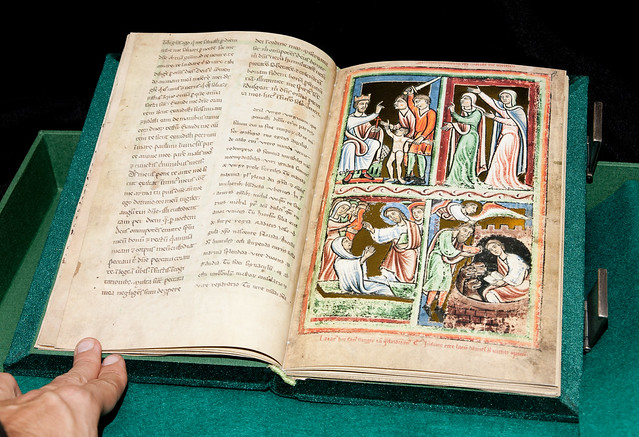
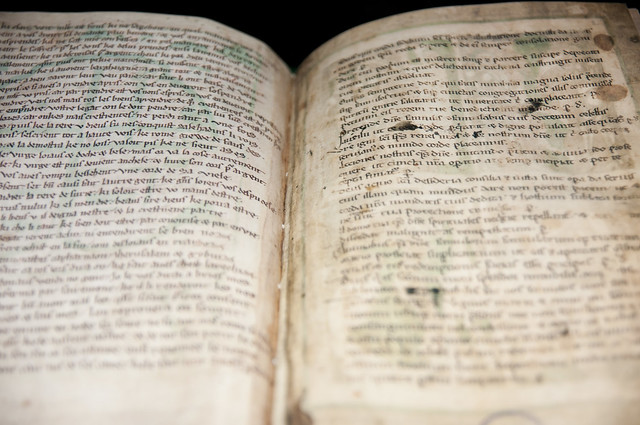
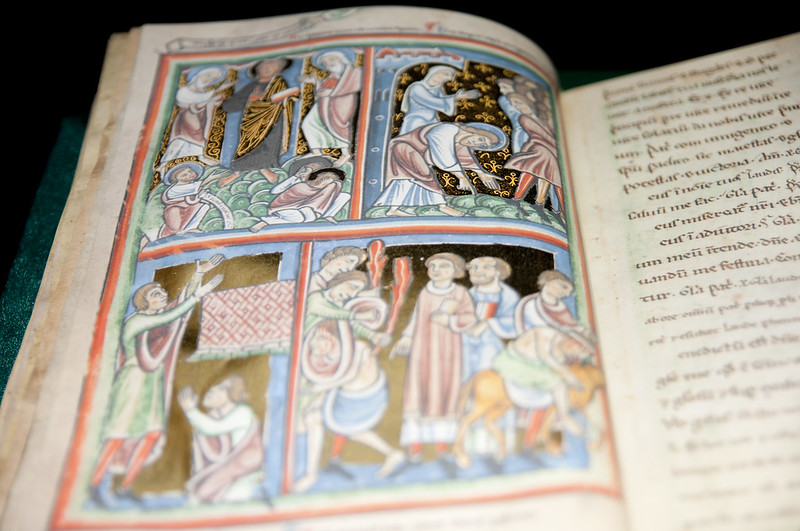
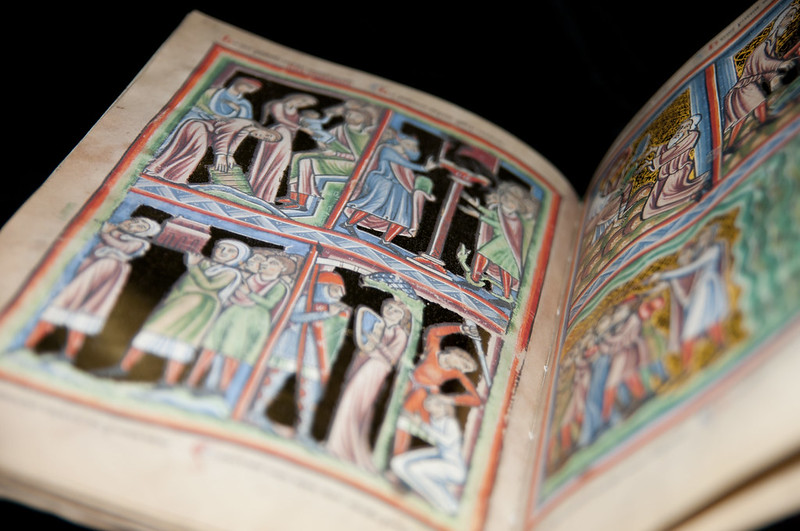
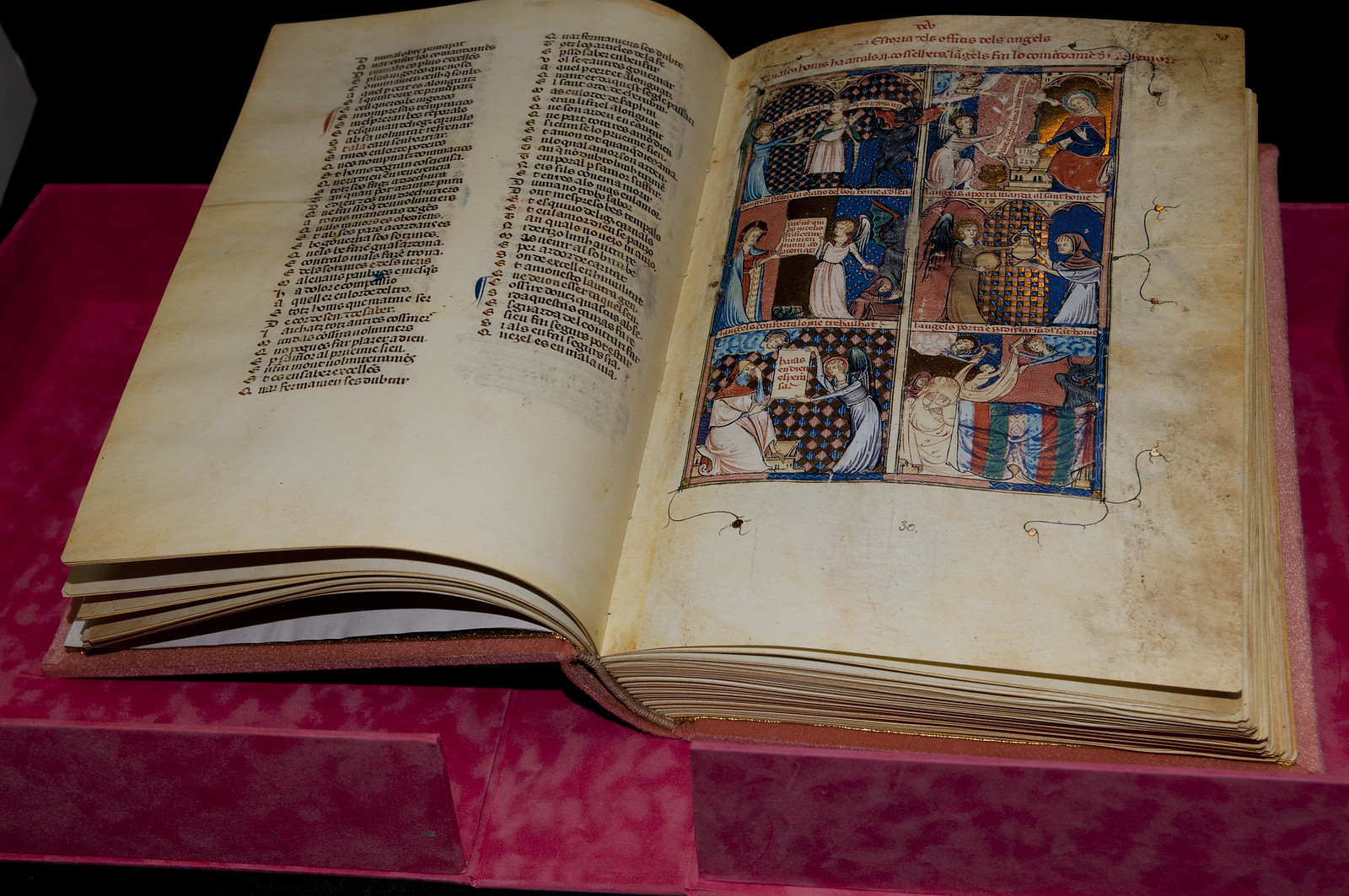
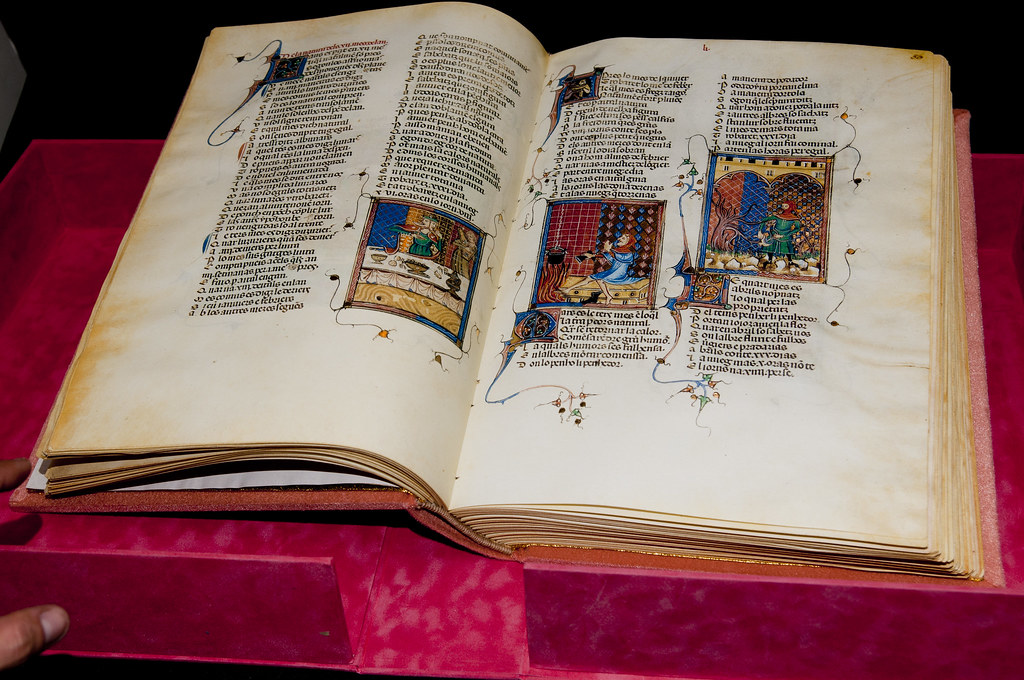
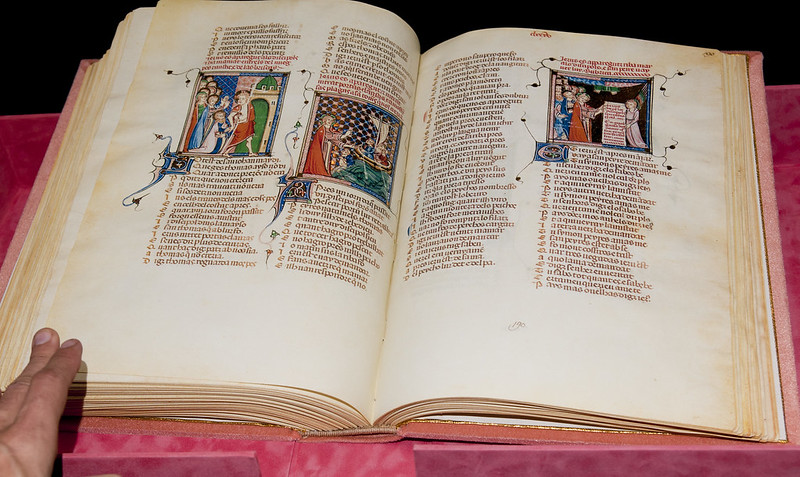
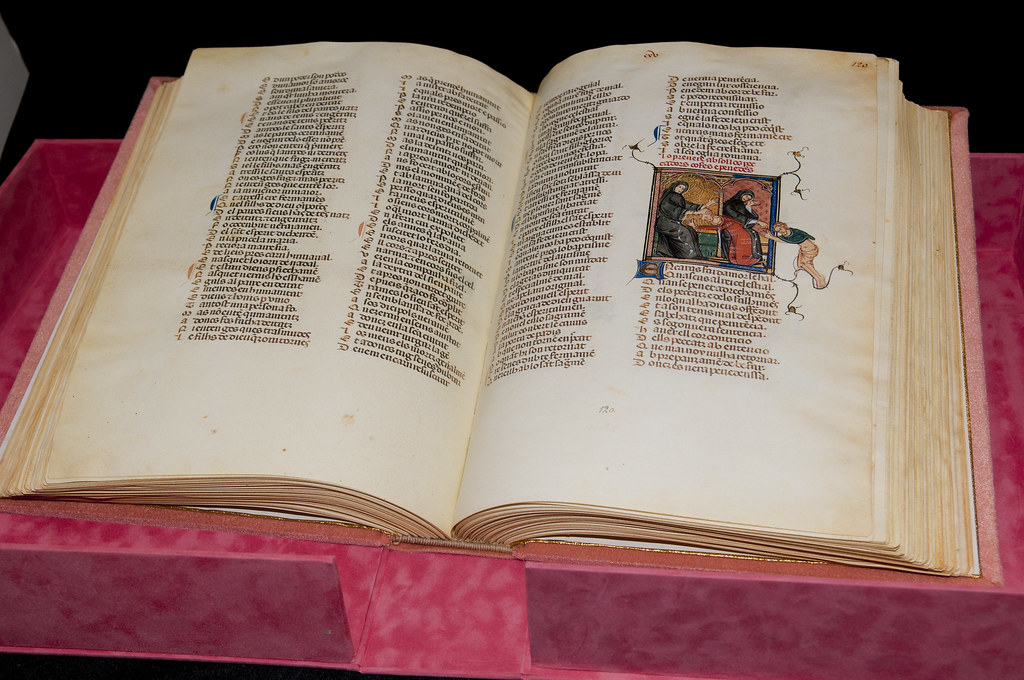
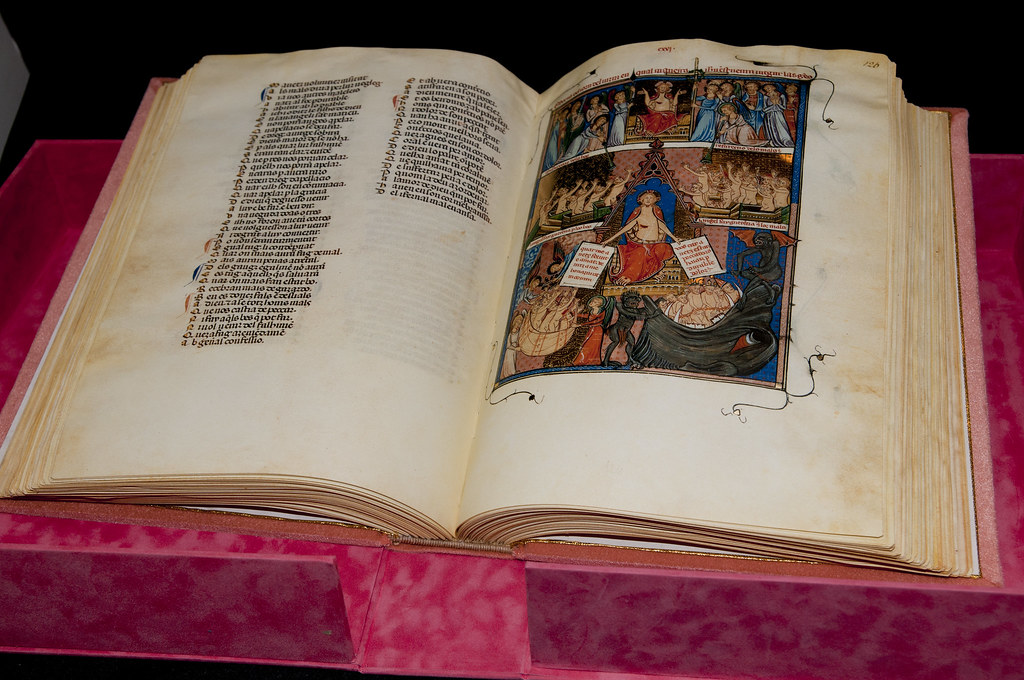
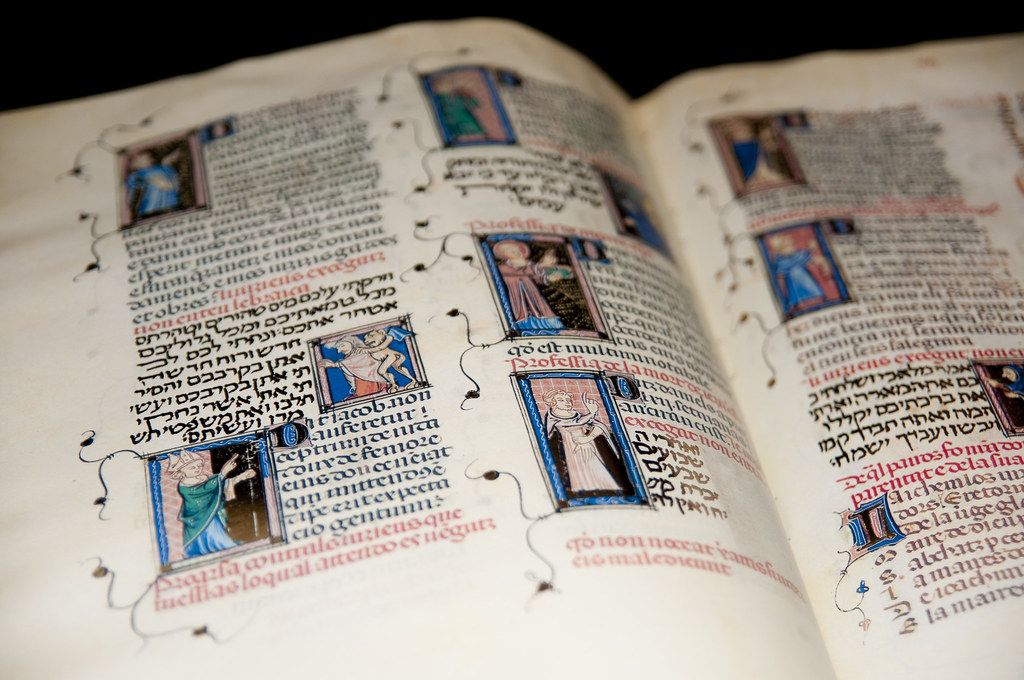
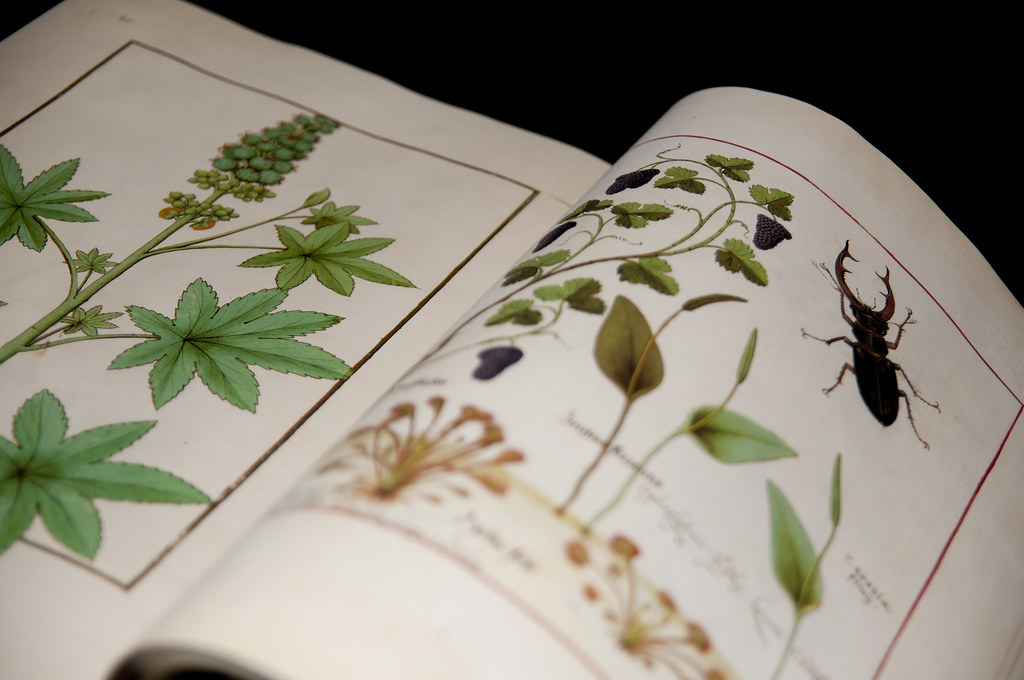
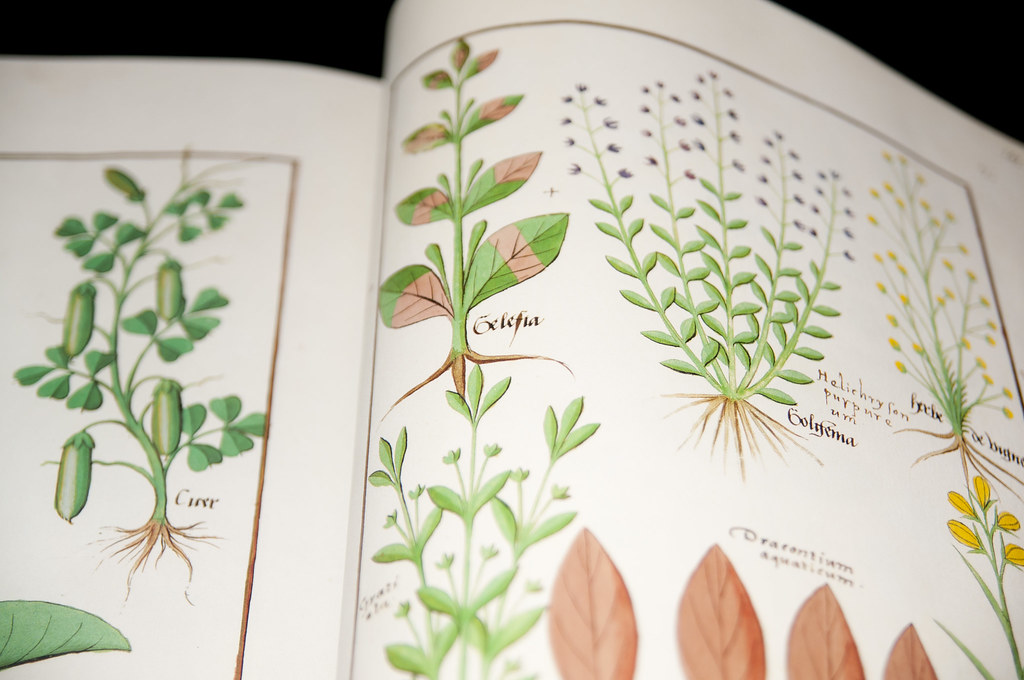
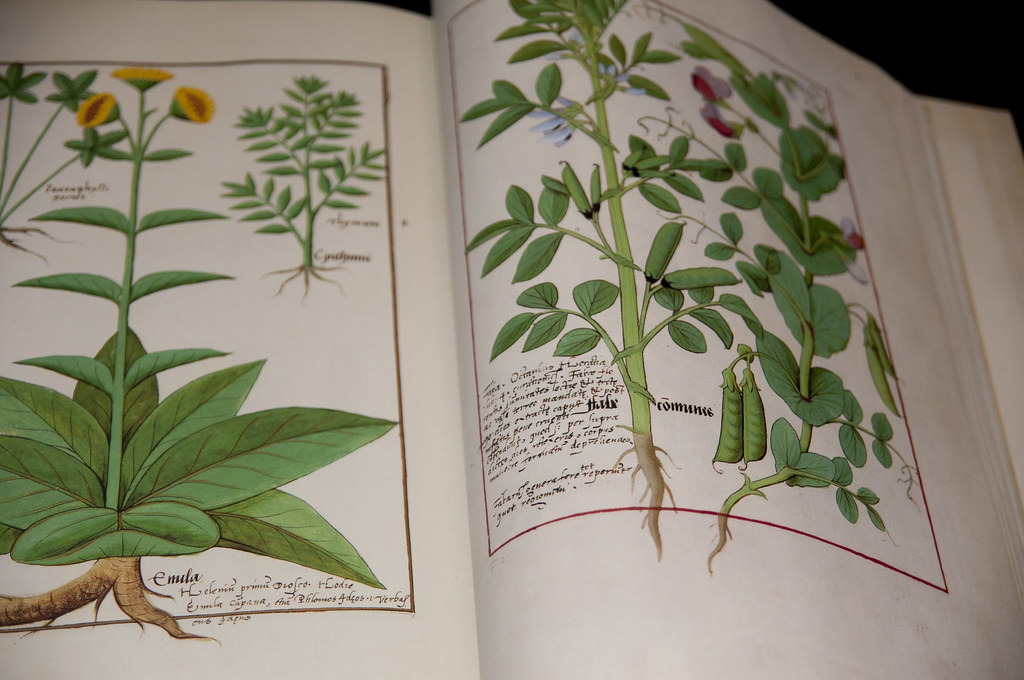
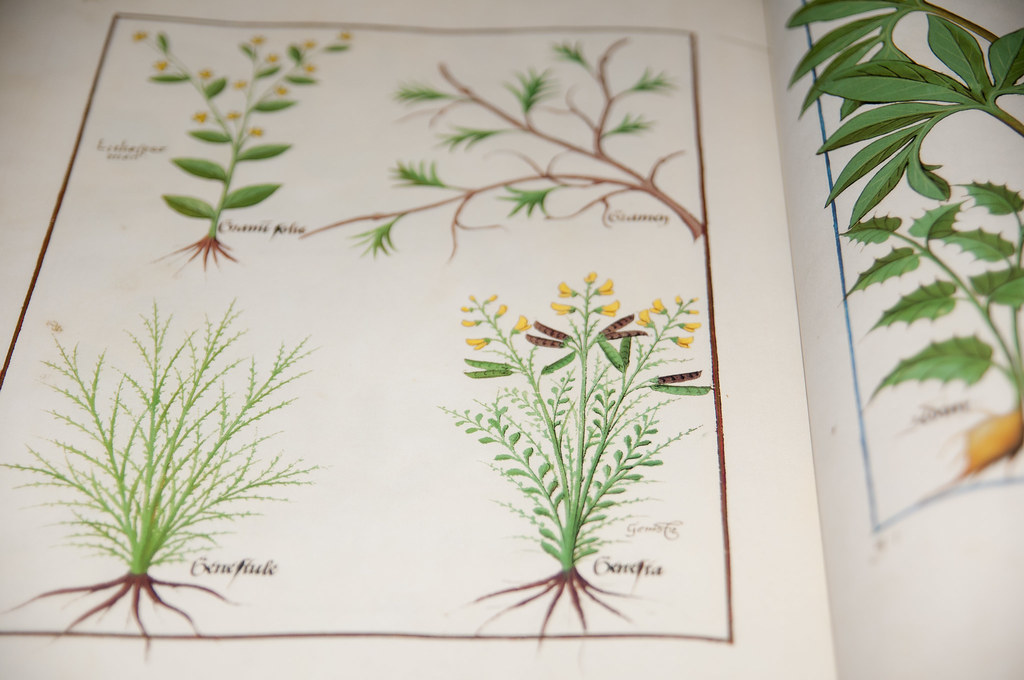
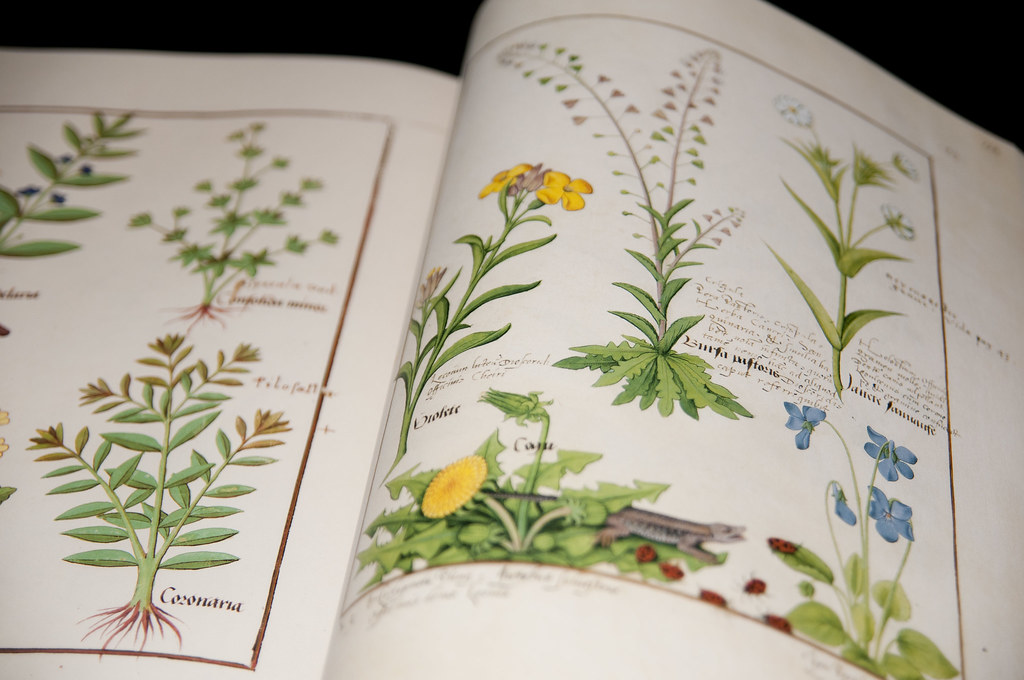
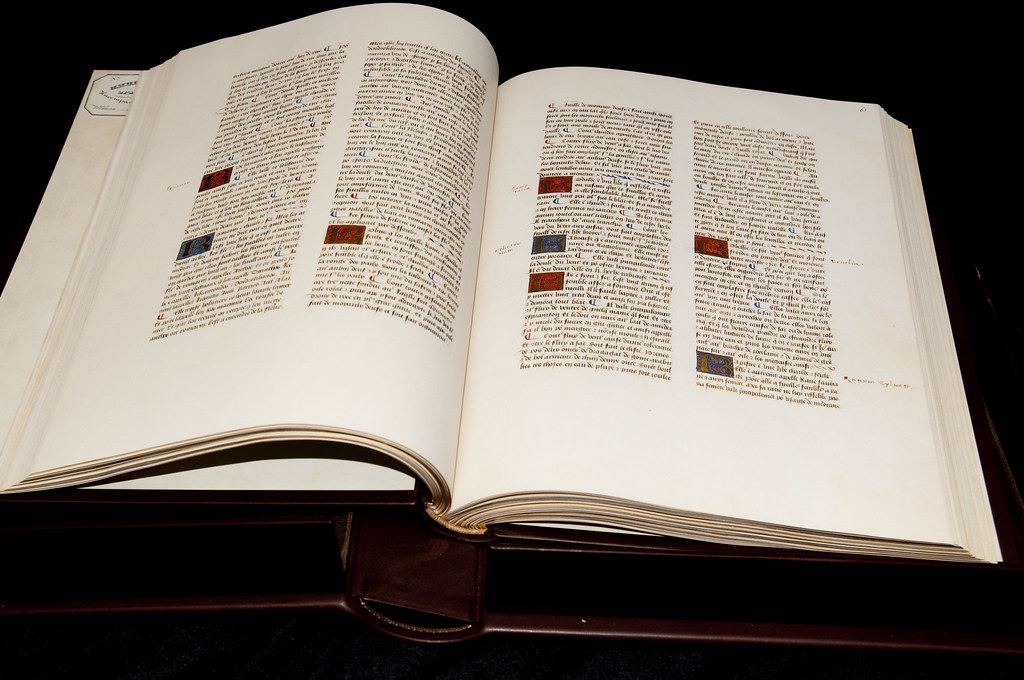
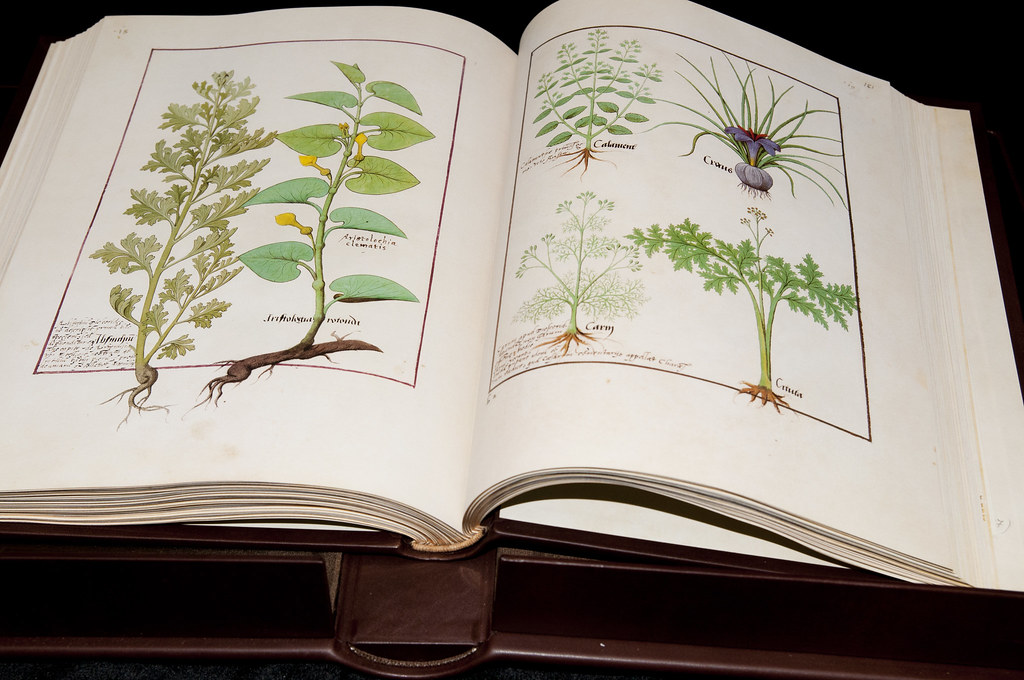
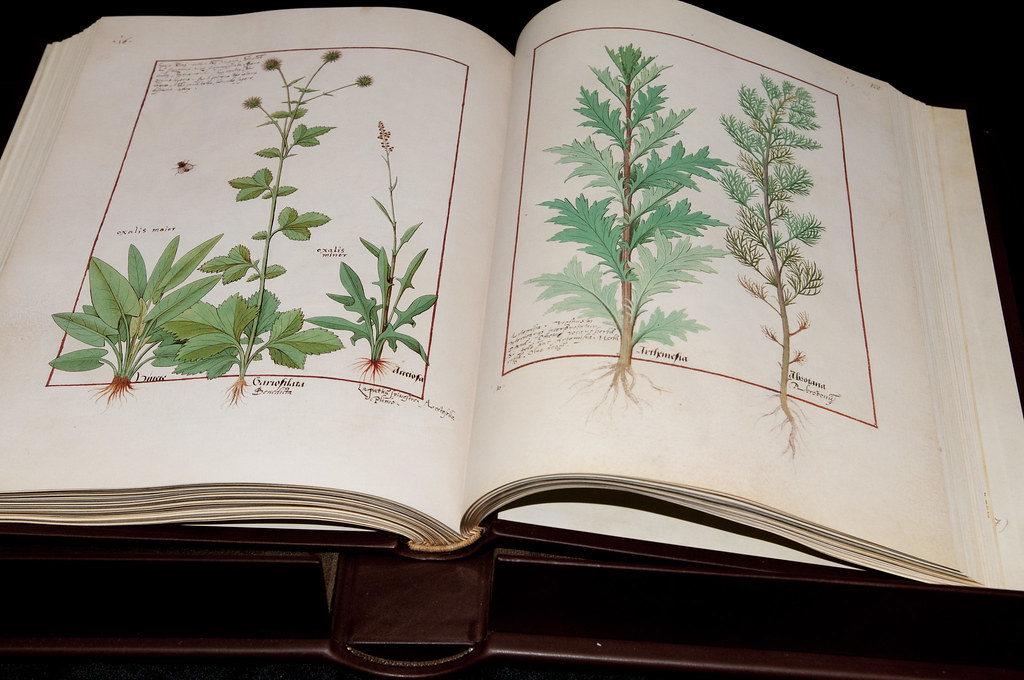
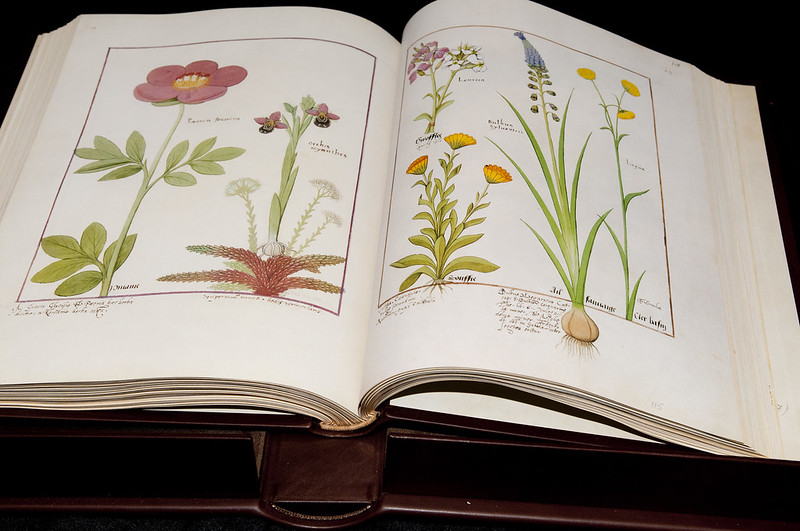
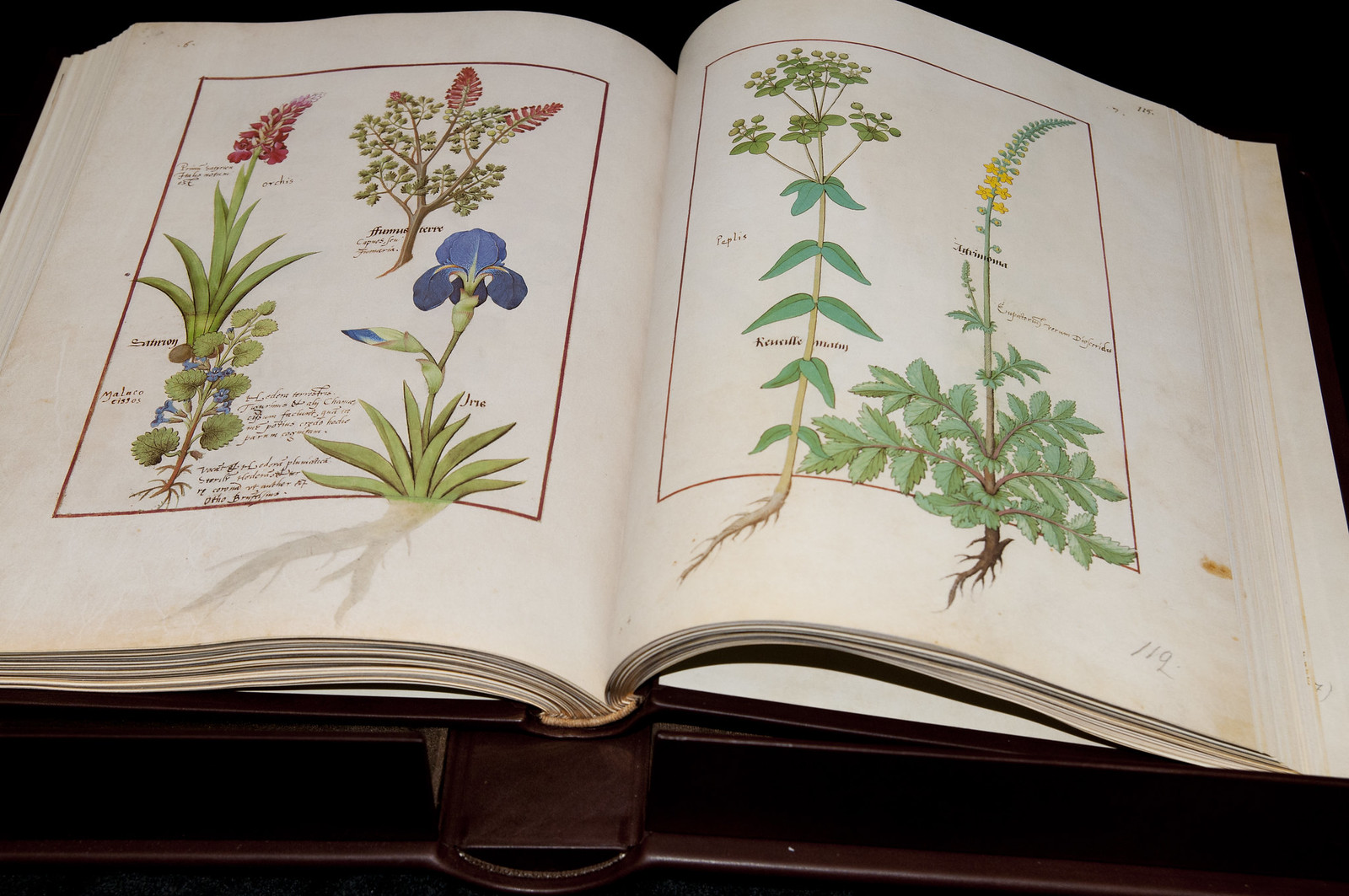
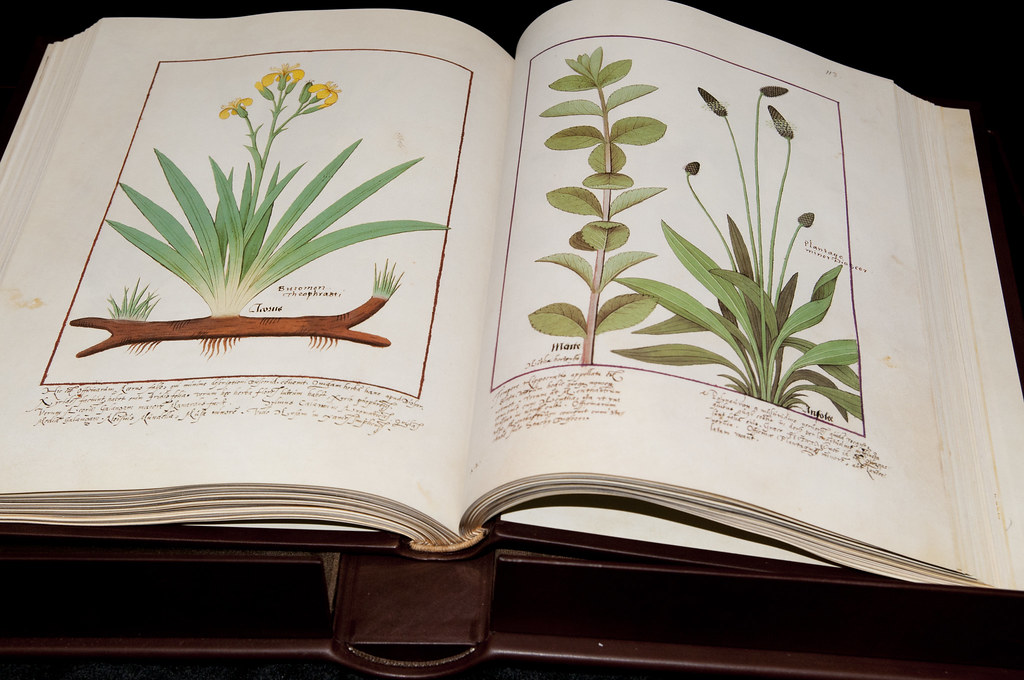
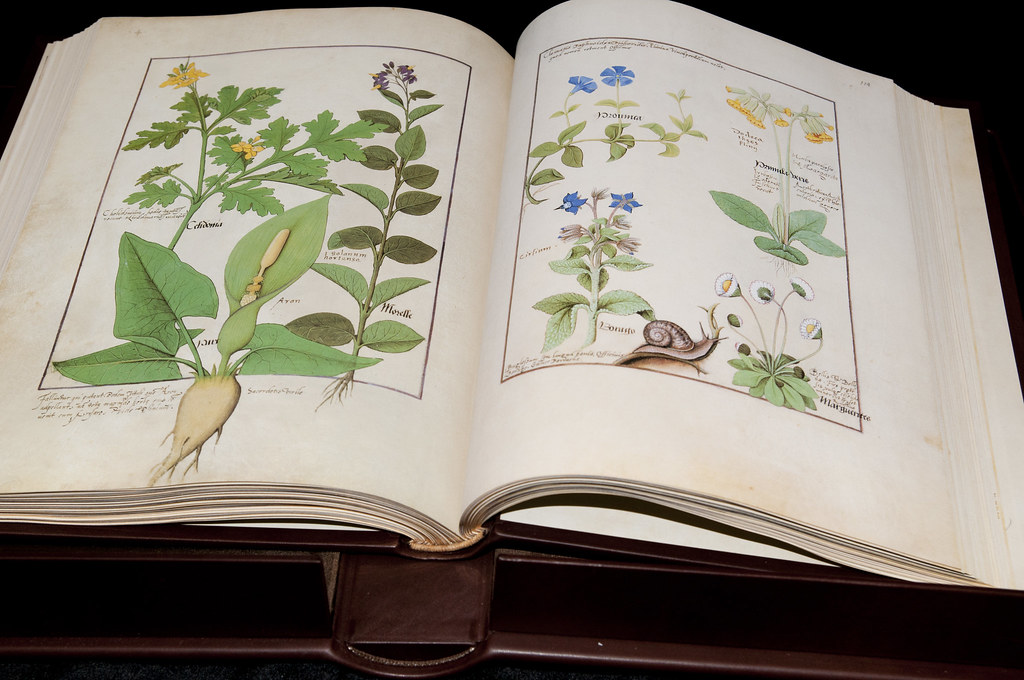
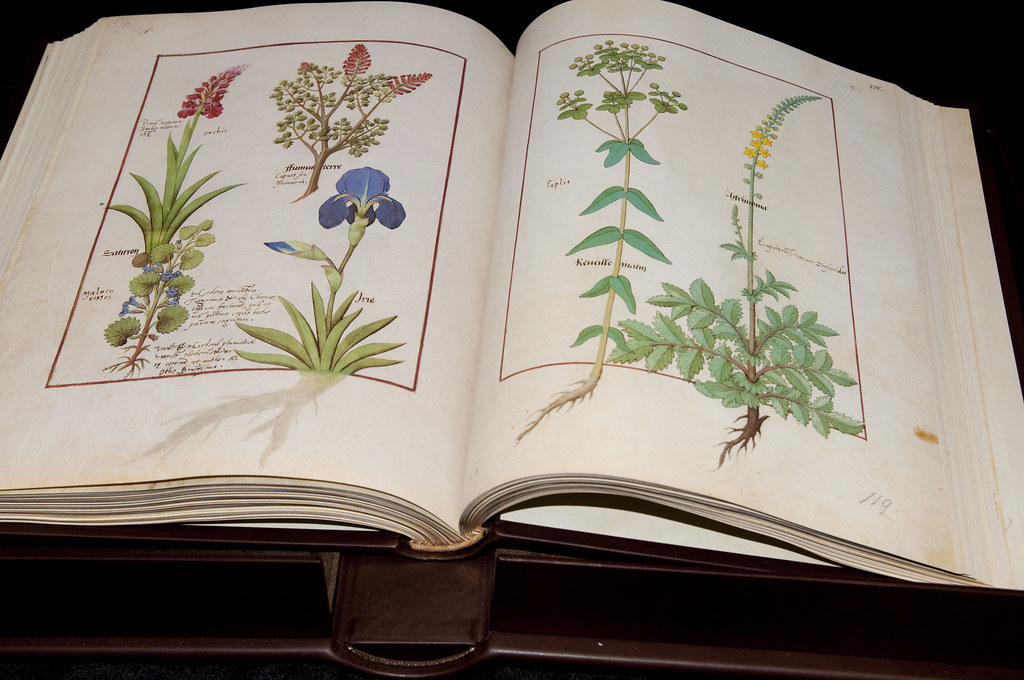
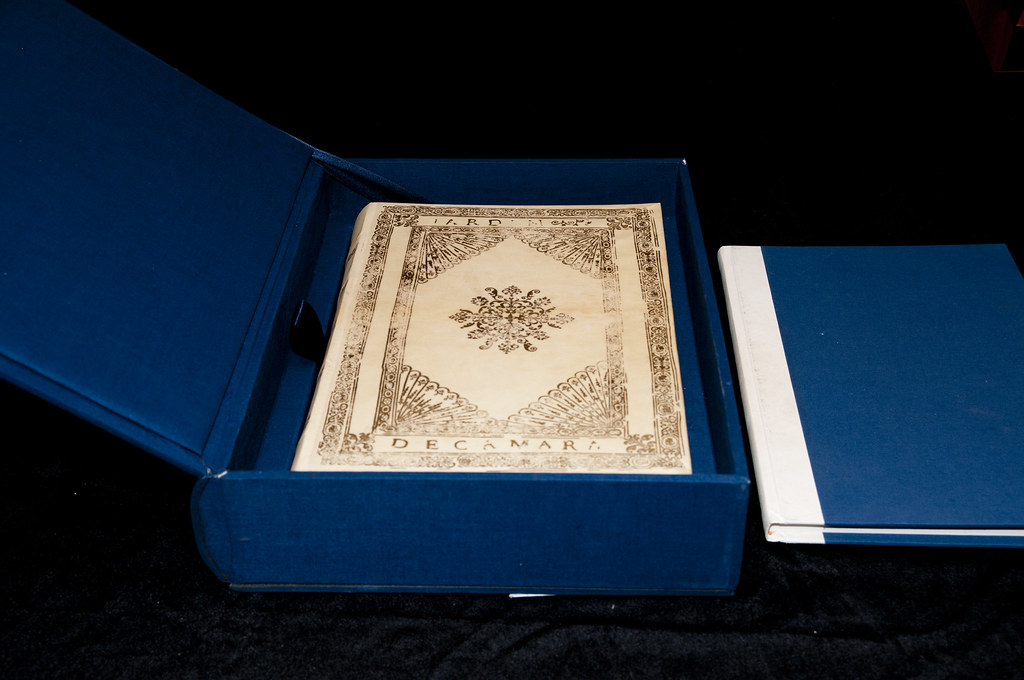
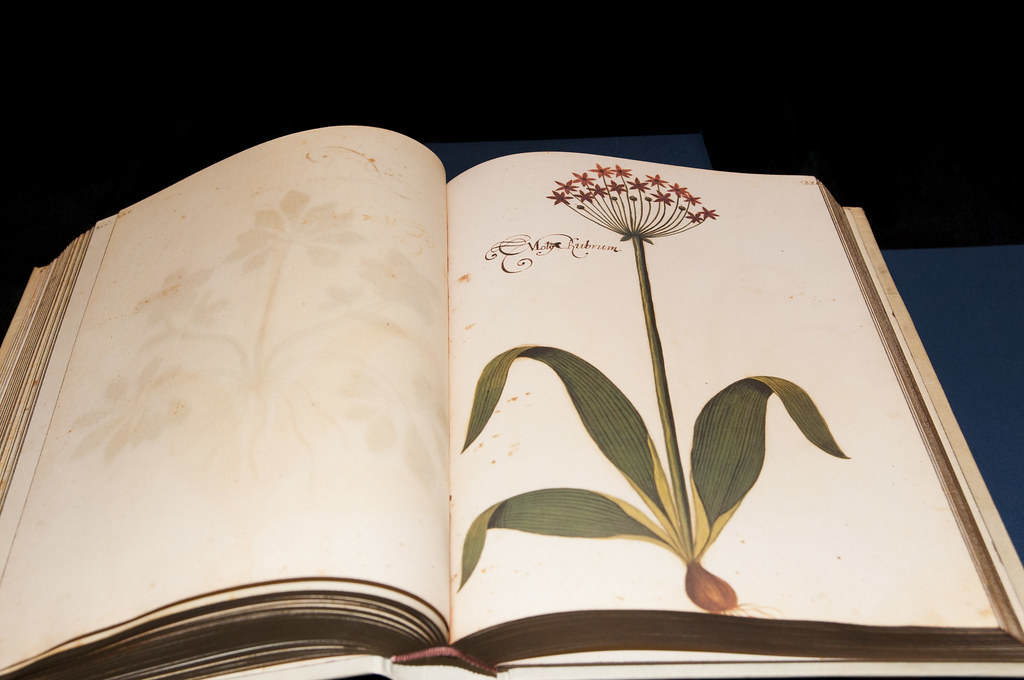
Le Livre des Médecines simple, (The Book of simple medicines), National Library of Russia, St. Petersburg, is a singular codex, not only for the beauty of its illustrations but because it corresponds to the culmination of knowledge European medieval about substances of the three kingdoms of nature serving to cure or alleviate illness
Such knowledge came from classical antiquity, Greek medical books which were recovered in Europe through Latin translations from indirect Arabic, while enriching themselves with healing products provided by the Islamic world. These translations were begun in the eleventh century and were first center as the city of Salerno. In the middle of the following century it worked Platearius Mateo, doctor who attributed De medicinis simplicibus (On simple medicines), the salernitano compendium of the most important and influential topic.

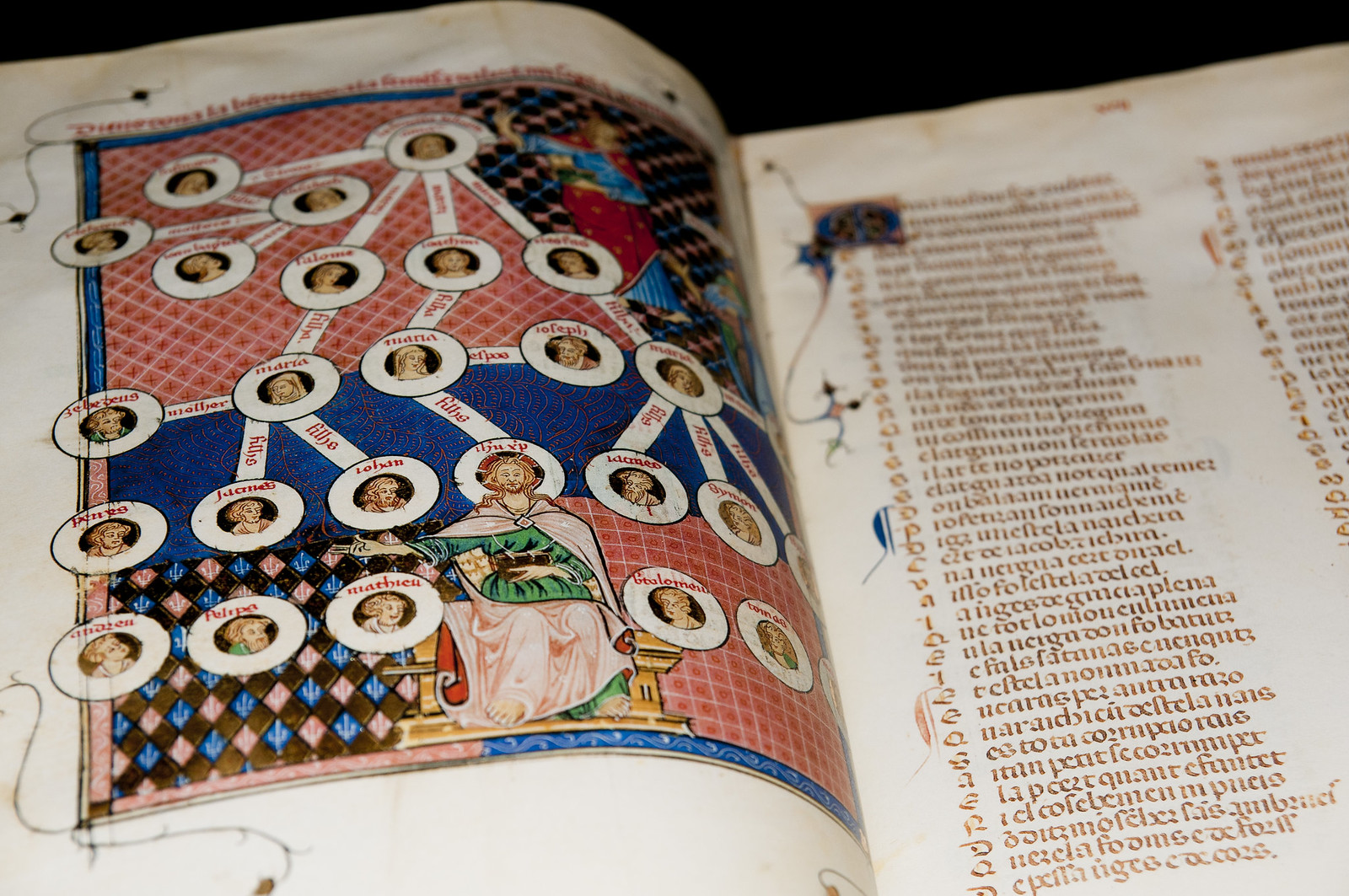
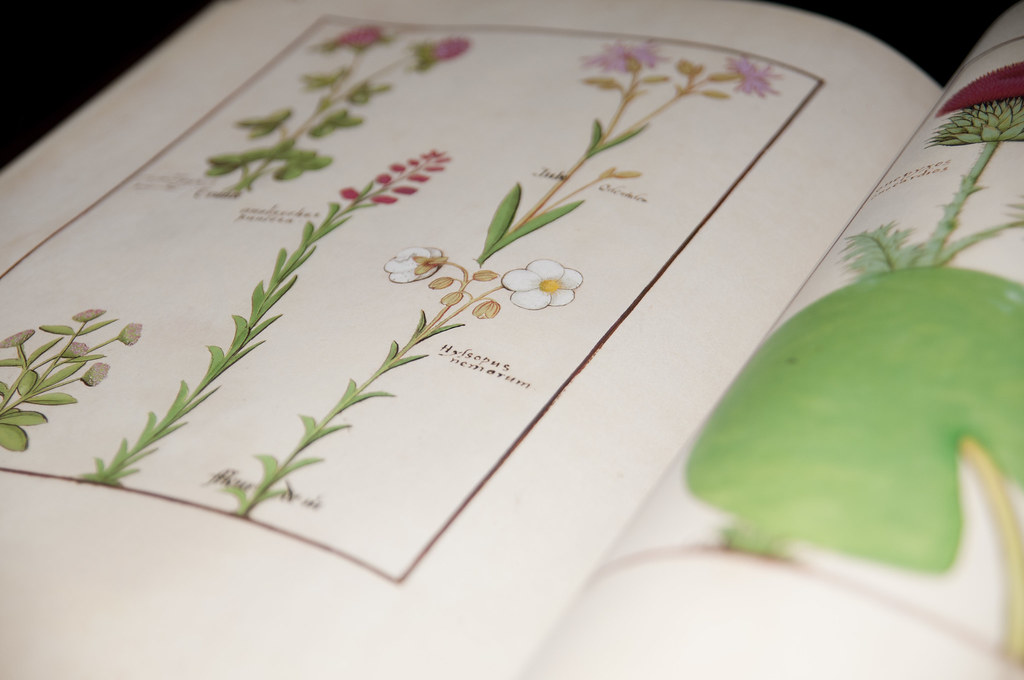
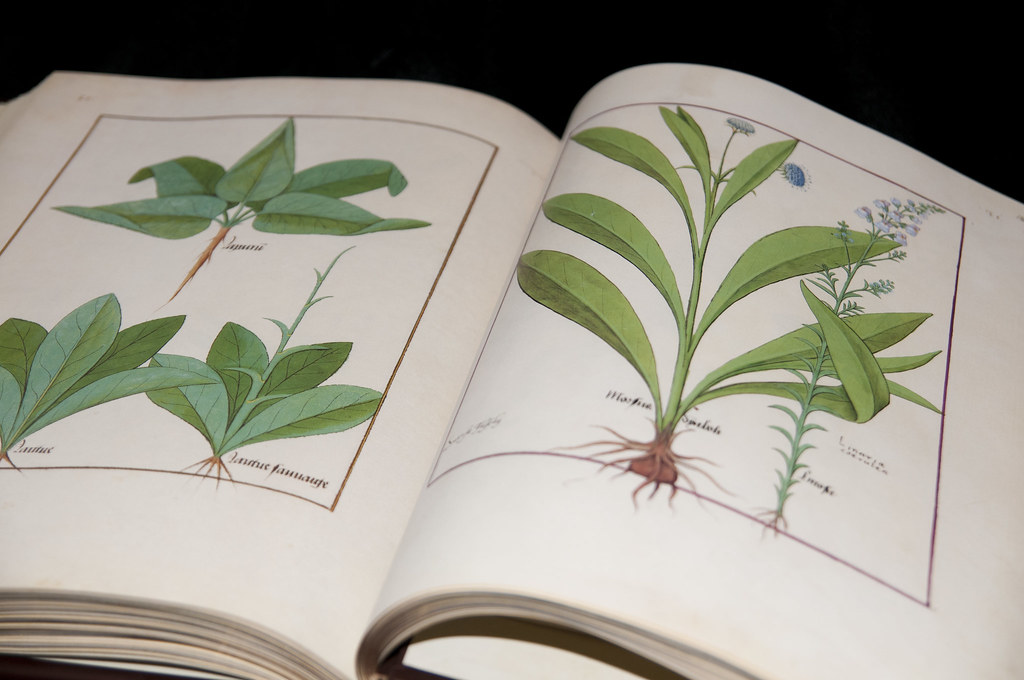
The codex is preserved in St. Petersburg was made by Robinet Testard in France in the late fifteenth century to Count Charles of Angouleme and his wife Louise of Savoy. It has a text of 220 pages divided into five parts: herbs and flowers, trees and their gums and resins, metals and minerals, animal products and other materials. It is followed by a splendid atlas of 116 pages including 386 figures. The core of the text is the French translation attributed to Matthew Platearius, which chapters of works of three centuries are added, during which the knowledge of medicinal substances, widened from translations made primarily in Toledo compendium.
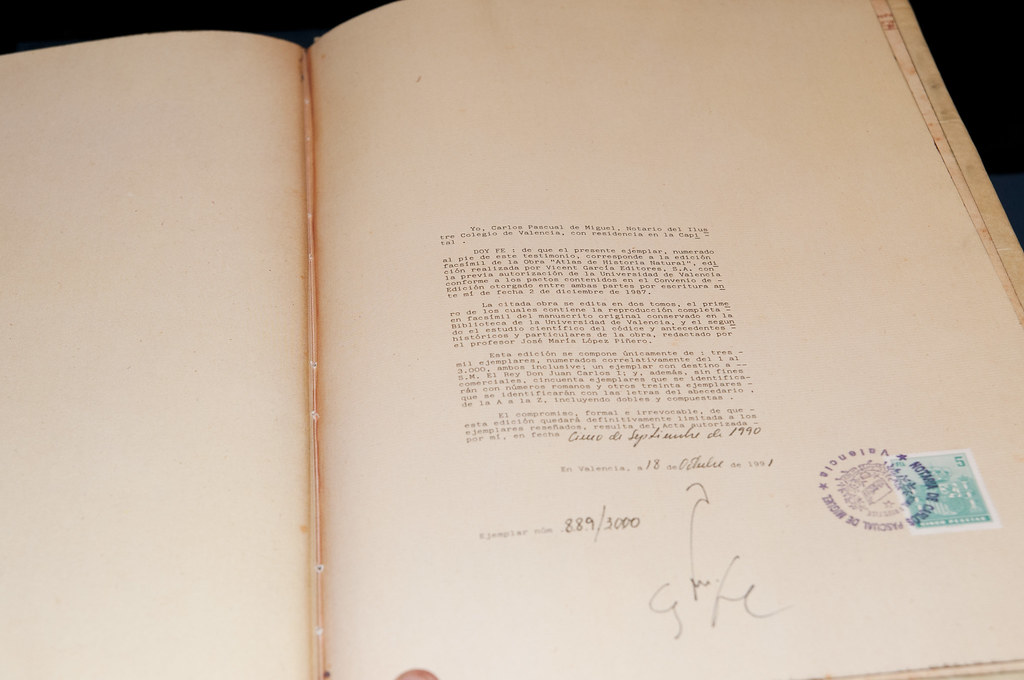
Detail of attorney, signed and stamped certificate.
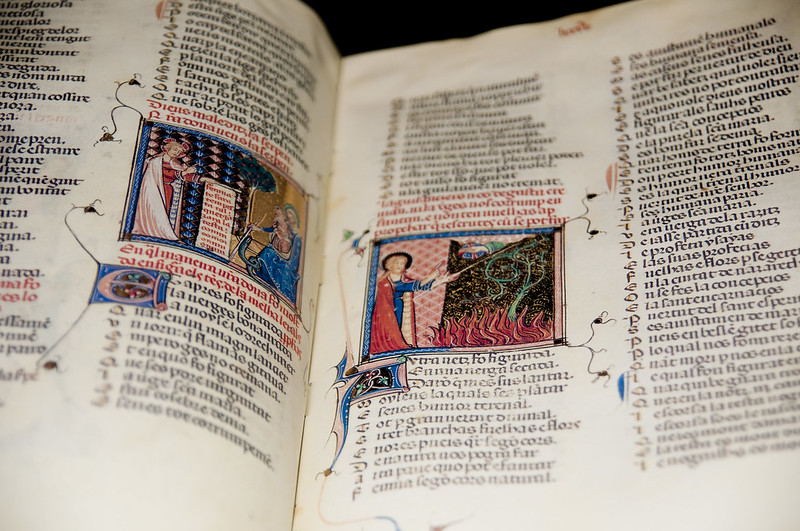
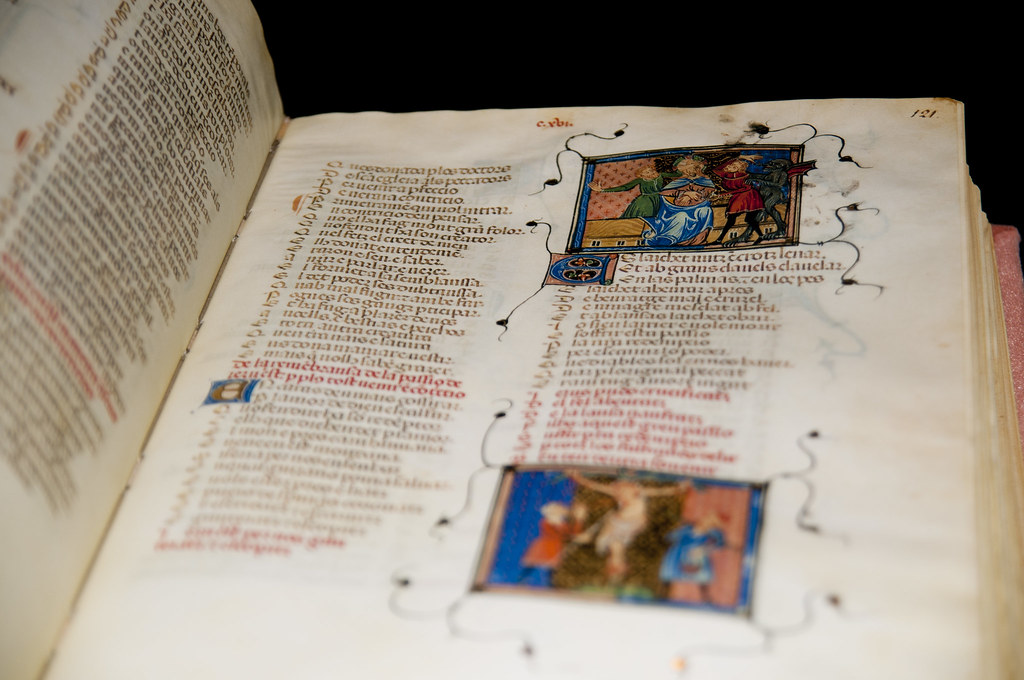
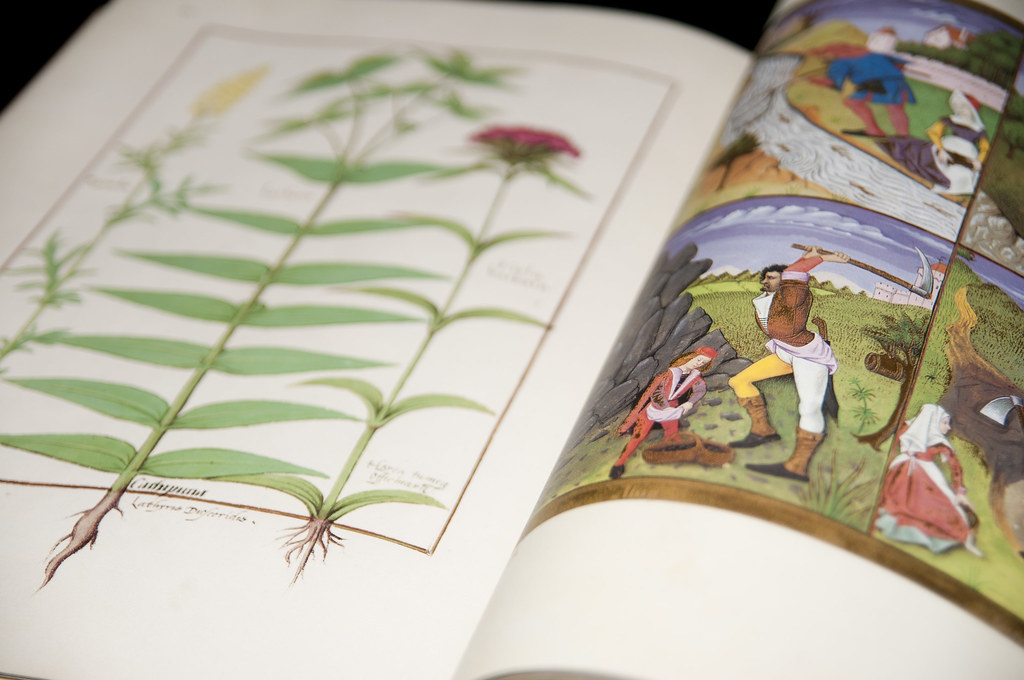
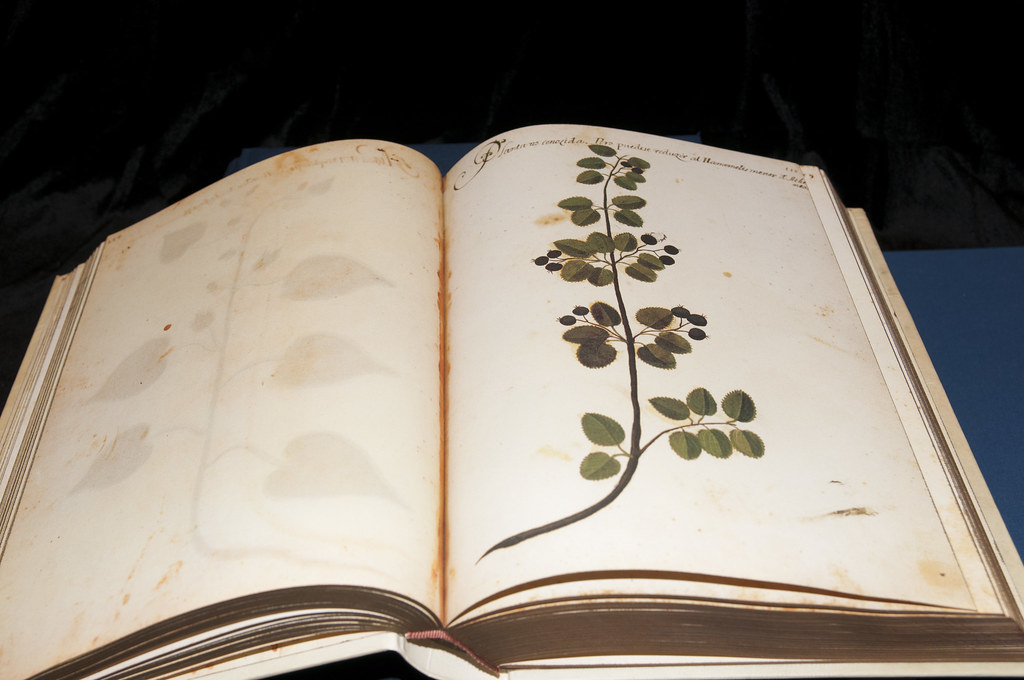
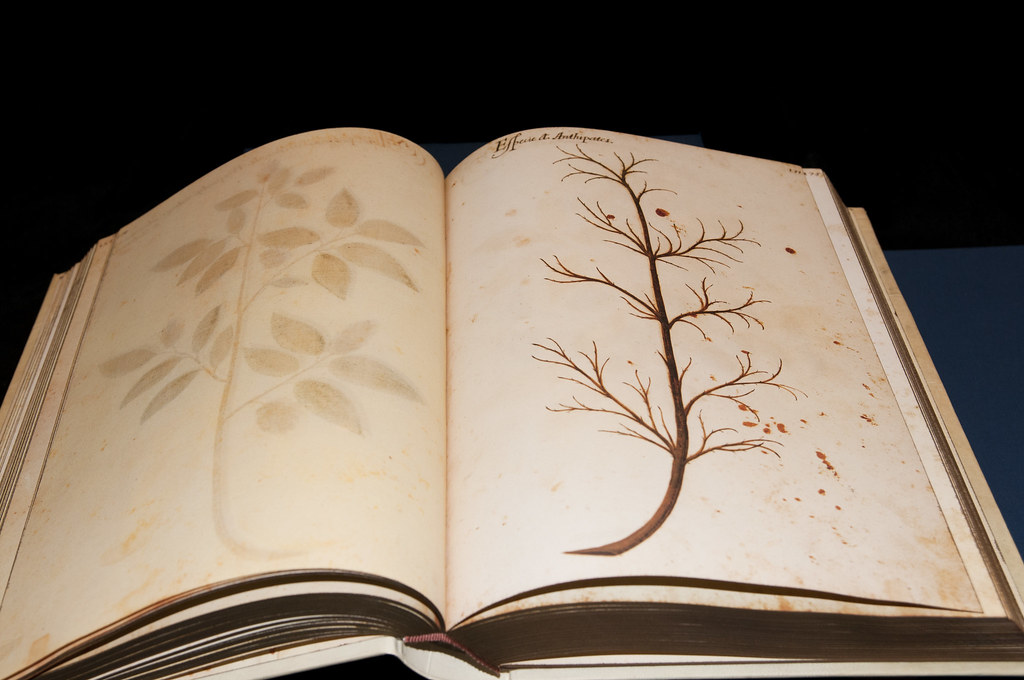
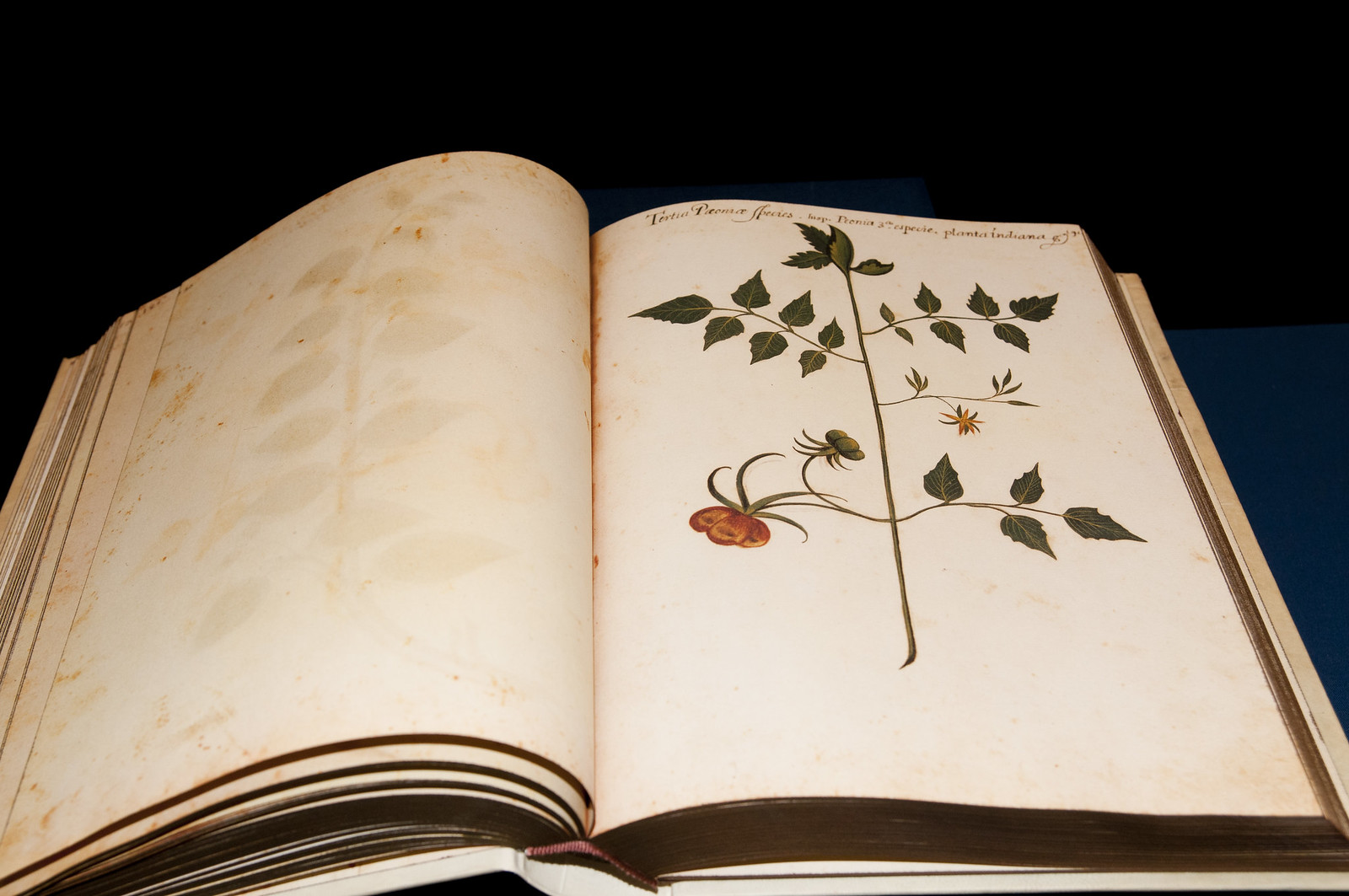
Something similar happens with the atlas, as its author-surely the great artist Robinet Testard-met, with medieval artwork removed from reality or schematic corresponding to other realistic'' back to nature'' of the Renaissance itself. Most medicinal plants and represents a lesser extent, animal or mineral healing products, but there are also scenes with persons engaged in collection. Examples of these are the six scenes that appear on two pages of the atlas. The titled'' Aloe'' (f. 143r) does not refer to where aloes Aloes is obtained, but the aloe, ie the agáloco resin saturated wood, which at the time was often replaced by of the olivastro. The other three represent the collection of gold and antimonite alum, the latter used at the time as desiccant medicine.

An additional interest of the codex is that two doctors who managed him during the sixteenth century made a series of annotations. Both already had a distinctly Renaissance mind and possessed direct editions in Greek and Latin translations of medical books of classical antiquity. Therefore considered'' barbarians'' the original words of the codex and added other Greek or Latin, sometimes accompanied by comments.
Facsimile edition of the "Book of Simple Medicines" by M. Moleiro The original codex was made in the late fifteenth century in France and preserved in the National Library of Russia in St. Petersburg. It consists of a French text of 220 pages divided into five parts (herbs and flowers, trees and their gums and resins, metals and minerals, animal products and other materials), followed by 116 pages fully illustrated with 386 figures.
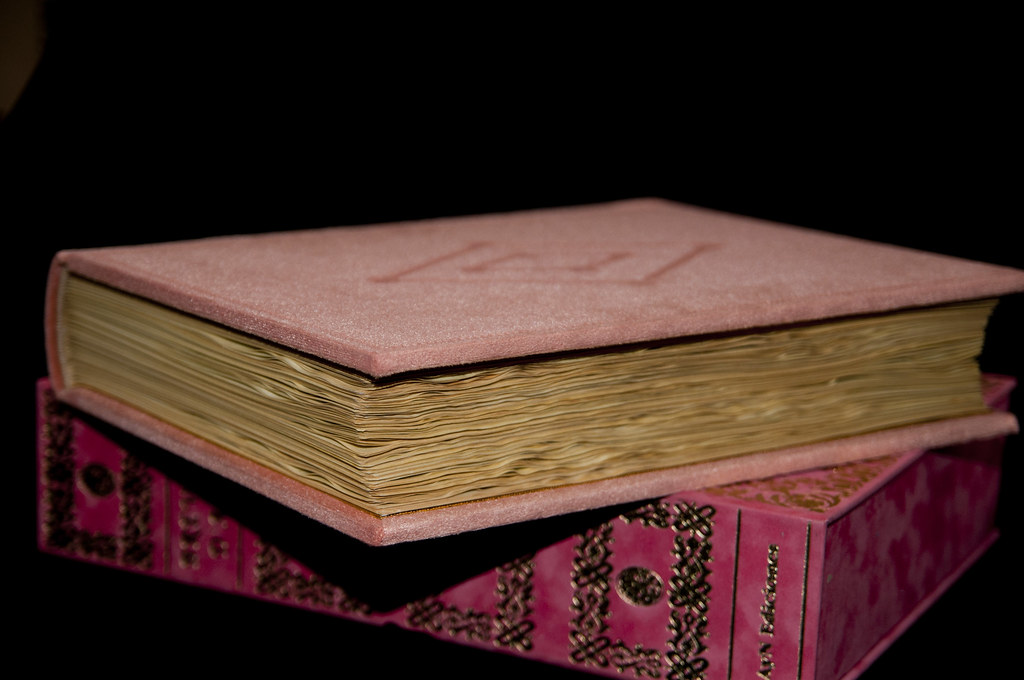
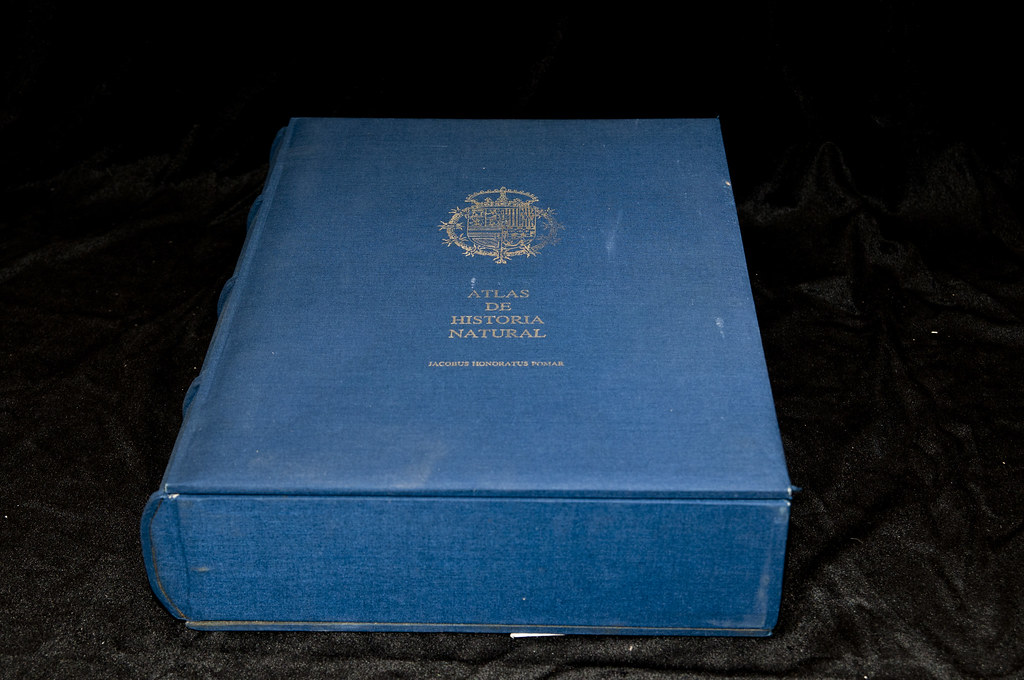
Two volumes: 1) Facsimile (ISBN: 84-88526-67-9), 260x355 mm, 340 pages, illustrated with 386 figures, bound in brown leather on wood with golden ornaments and cuts, guardalibro leather case with the same ornamentation, I copy numbered by affidavit of a single run of 987 copies;
2) volume of studies (ISBN: 84-88526-68-7), bilingual in Spanish and English.
Aloe (Aloe):Aloe is used to purify the phlegm and melancholy, to comfort the nerves and stomach, to purge the cold humours, for itchy eyes and brighten the eye. Against headache and opilación liver and spleen. Raises the menstrual flow to women. Also served against scab and corruption. It also makes good color regain those because of a disease they had lost. To stop the bleeding from a wound and to resolve it. It also prevents the hair from falling out. Expels worms belly and the other animals that enter the ears. Finally used against gout and inflammation of the ears.

Garlic ( Allium )The allium is garlic. Garlic is hot and dry in the fourth degree, although some say the middle of fourth grade. There are two kinds of garlic : the first is domestic and common , the other is wild garlic , which is called scordeon . It is less hot and dry that domestic garlic. You can not distinguish other authors each other. The wild garlic acts moderately, and is to be used in recipes and not the domestic garlic, because it acts impetuously . We use wild garlic flowers , which should have been collected at the end of spring, and can be hung in the shade to dry and be able to save for two years in a box. However, the best are garlic flowers that are harvested fresh every year . We use domestic garlic head. It has the virtue of wearing and expel the poison and served against bites of poisonous animals liquefied putting garlic on the wound . Also garlic juice taken by mouth expels poison, and this is what is called the antidote to the peasants. Against Worms belly must take garlic , pepper, a little parsley and mint juice and make a sauce with it , the patient dip the bread into the sauce and eat it . To open the ducts of the liver and urine ducts should make a similar sauce diluted in wine and juice diuretic plants . Against the obstruction of urine and pain in the bowels garlic are caught and cooked in oil, thus a poultice that is applied to the pubis and around the cock is . And for inducing menstruation women have to put a clove of garlic to the array entry , as this makes evacuate the retained menstrual flow. Constantino says that this same effect are cooked in water , garlic in which women should bathe but only to the navel. You can also boil the garlic in oil, and dip one Lechino with this oil , which is inserted into the vagina. In places where the skin has lost its color and appear morfeas , making them above an incision with the lancet in several places, and rub the cut garlic roasted , and then apply as a poultice . Estiomeneo herpes , garlic bulbs and leaves with a little pepper and handle everything taken together , and plaster blocks . This matter prepared wearing . Garlic is good for eyes because dry . But it also damages the whole body if used without restraint , because it engenders leprosy , stroke and many other diseases. Wild garlic flowers are diuretic , should be taken with wine or syrup , or any other beverage. They also serve to any obstruction of urine. In Antidotario few recipes where garlic is used domestic appear , but yet many appear with wild garlic , as it is much more tempered in their effects.

Celery ( Apium ) :Called also apium and ache , served against the obstruction of urine to desopilar the liver and spleen, the bulge of spleen , jaundice , dropsy , the abundance of phlegm , the frenzy , the quotidian . Celery is harmful to women , children and epileptics who fall . There are three kinds of celery , one is the water in French felandrio ache of rammes , and that it is helpful against kidney pain, against the obstruction of urine, stomach spasms , and spleen evil says . The other is called sardonic celery and celery in French ris ache , fits the esplenéticos who are sick spleen against the obstruction of urine, from the evil stone and also makes evacuate the retained menstrual flow and mature the abscesses . Finally , the so-called lesser celandine, and French ache of morroydes , serves to dry hemorrhoids, for lunatics and against black spots left after a wound heal .


Borage ( Borago ) :Borage is a very common plant, which has rough leaves, and is also called borago . It is hot and humid in the first degree . The leaves, while green have medicinal properties , but when dry do not. To a lesser extent than the leaves, seeds serve in medicine. It is capable of generating good blood, and therefore fits the emerging of a disease, and are predisposed to have a spasm or heart defect or suffering from heart passion. For those who have heart disease , or excess of melancholic humor in the body , it helps borage eat meat or stews made with tallow or grease . Against syncope or spasms , you should make a syrup of borage juice with sugar. Against heart disease is likewise a syrup of borage juice with sugar to dust bone of a deer heart is added. Melancholy against passion and epilepsy , baking canafistola borage juice , and this decoction make a syrup . In the case of not having the grass , then bake the seeds in water , this cooking school and then becomes a syrup . Dry seeds can be stored for two years perfectly . The root is not good for use in medicine. Borage raw foods also engender good blood. Against jaundice should eat often cooked with meat, and drink juice borage endive juice , according to some , is a kind of lettuce.


CONTENTS: Image reader Le Livre des The codex simple Médecines, National Library of Russia José María López Piñero (†) (Institute for History of Science and Documentation López Piñero, University of Valencia - CSIC) codicological study Natacha Elaguina (Chief Curator of the Department of Western Manuscripts, National Library of Russia) The simple illustrations Livre des Médecines National Library of Russia Carlos Miranda (PhD in History) Le Livre des Médecines simple, annotated translation María Luz López Terrada (Institute of History of Science and Documentation López Piñero, University of Valencia - CSIC) ISBN: 978-84-88526-68-7
..............................................................................................................................................
Document: FP. Fv VI # 1
Date: s. XV
Size: 260 x 355 mm
340 pages, with a splendid iconographic atlas with 386 figures Bound in brown leather with gilded ornamentation
Leather case Study book (432 pp.). "Almost-original", first, unique and unrepeatable edition strictly limited to 987 numbered and authenticated by a notary
ISBN: 978-84-88526-69-4
Number 737 of an edition of 987 copies
PRICE: 3000 €
Contact via this blog, or email: panguitarod@gmail.com or ventadefacsimiles@yahoo.com